
Photographs from the collections of
Museo Storia Naturale - La Specola
Florence
April 2019

Anatomical wax model by Clemente Susini
Museo Storia Naturale - La Specola was founded in Florence by Grand Duke of Tuscany Peter Leopold (1747-1792) as il Reale Museo di Fisica e Storia Naturale (The Royal Museum for Physics and Natural History) in 1771. Located on the Via Romana in the former Palazzo Torrigani next to the Pitti Palace and Boboli Gardens, the grand duke appointed physiologist Felice Fontana (1730-1805) as director. It became the first science museum open to the public in 1775. It’s current name, La Specola, is a reference to the astronomical and meteorological observatory added to the site in 1790.
Florence’s scientific community had urged the grand duke to reorganize the collections gathered over the centuries by the Medici family for public display, bringing together natural history curiosities and scientific instruments originally housed in the Galleria Imperiale, Pitti Palace, and Uffizi Gallery. Additionally, sculptor Clemente Michelangelo Susini (1754–1814) was hired to create anatomical wax models for educational purposes, which he produced with artistic flair in a ceroplastics workshop on the premises. His work was of such a high quality that in 1780, after visiting the museum, Holy Roman Emperor Joseph II (brother of the grand duke) commissioned Susini to create for him more than 1,000 anatomical wax models. These sculptures are still visible today in the Josephinum, the Medical History Museum Vienna.
La Specola was originally focused on all of the physical and natural sciences. However, following the closure of the original museum in the late 19th century and redistribution of some collections to other facilities, such as Museo Galileo (the former Istituto e Museo di Storia della Scienza), the museum’s collections now primarily focus on anatomy, zoology, and natural history. The museum features a Hall of Skeletons (accessible by reservation for a private guided tour); a large array of stuffed animals, including a former Medici pet hippopotamus that once wallowed in the Boboli Gardens; a collection of exquisite anatomical waxes from the 16th through 18th centuries, including important works by Susini and others (guided tour required); and, after a century away, the return of collections of mineralogy and botanical waxes.

Bloated
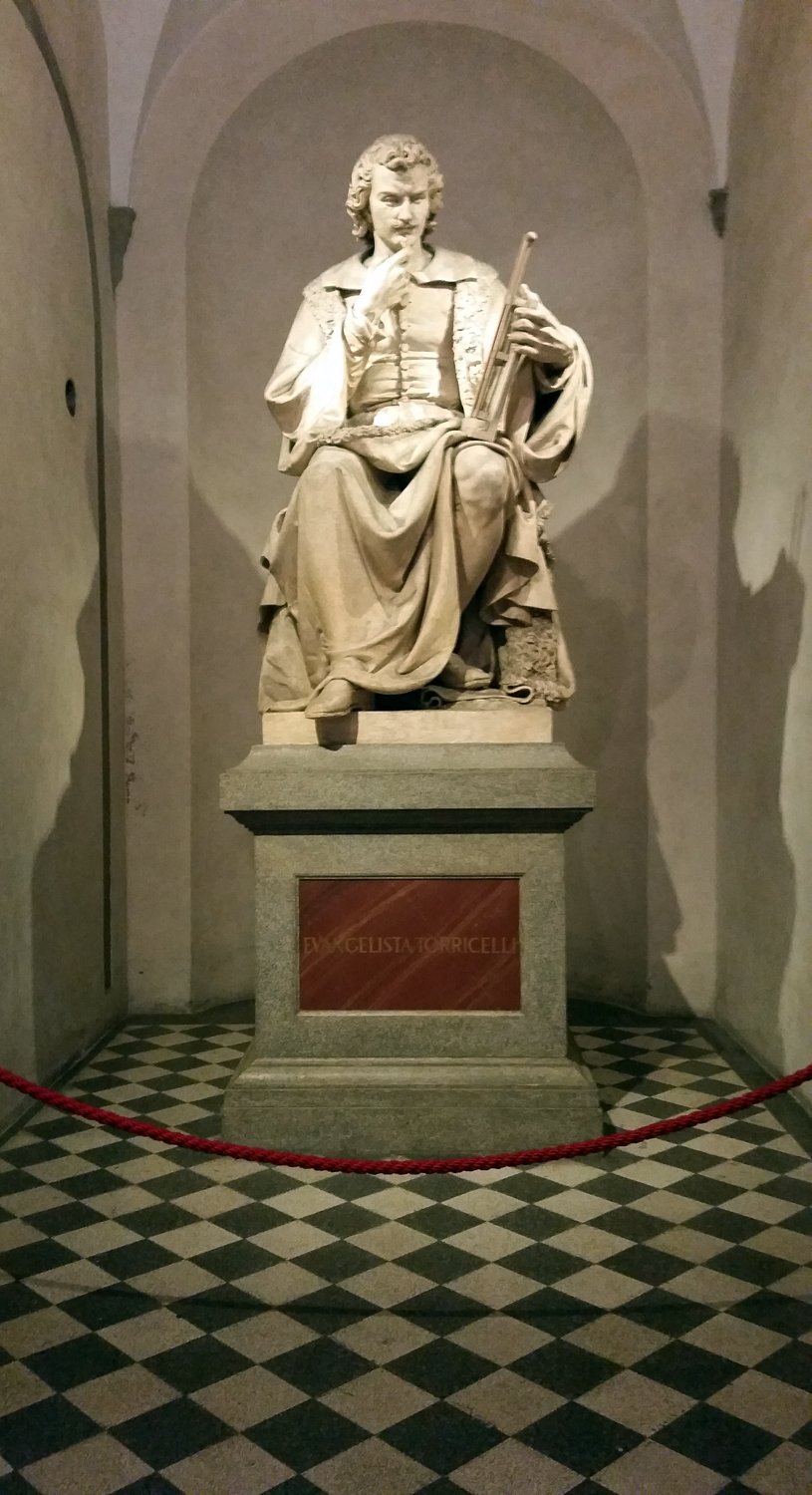
Sculpture of Italian mathematician and physicist Evangelista Torricelli (1608-1647). Torricelli, a student of Galileo, is best remembered today for his work in optics and invention of the barometer.

Death's-head hawkmoth (Acherontia atropos)
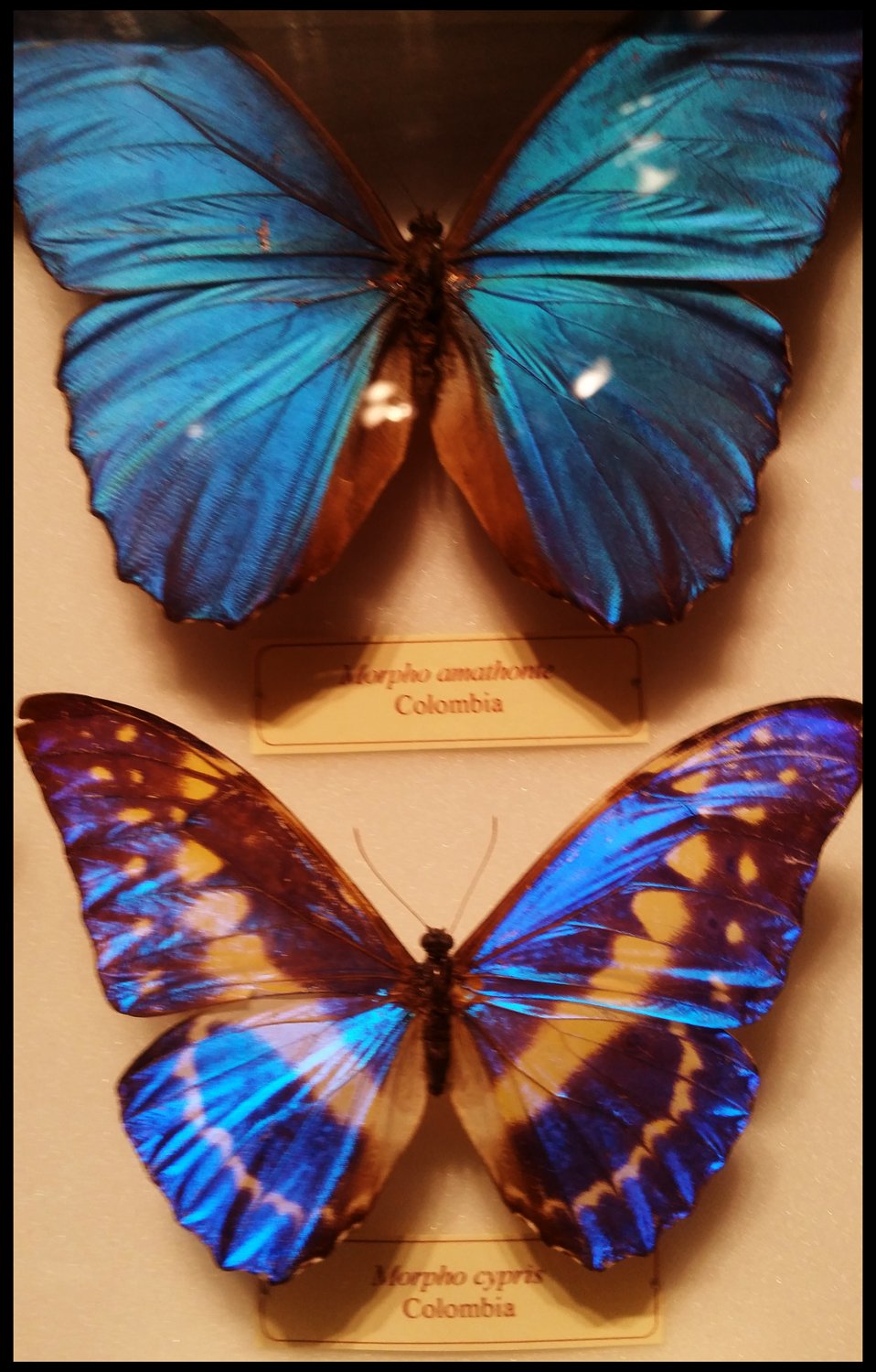
Two colorful butterflies, one with vibrant blue wings and the other with blue and orange patterned wings, are displayed in a case with labels indicating they are species from Colombia.
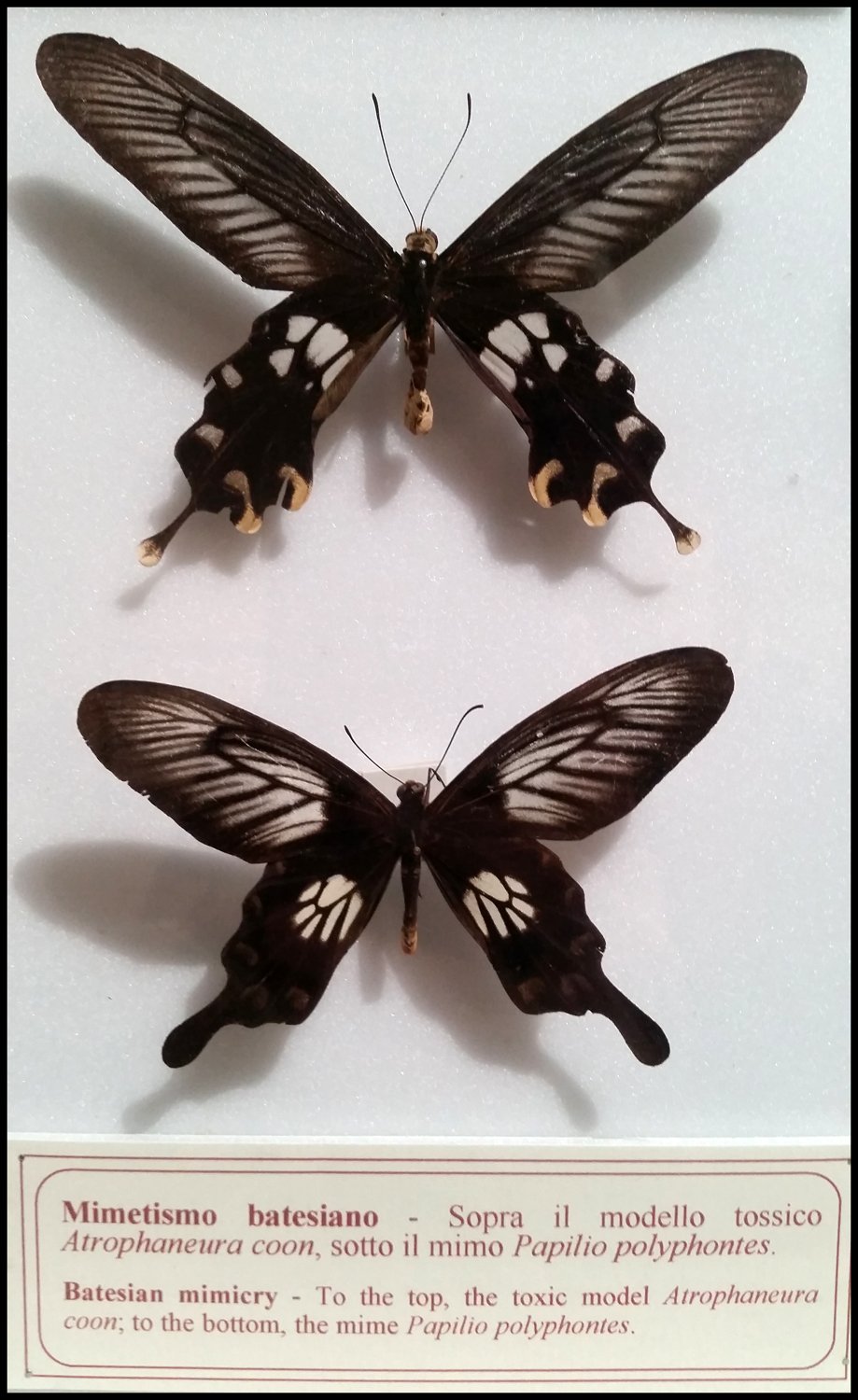
Two butterflies displayed on a white background with descriptive labels in Italian and English.
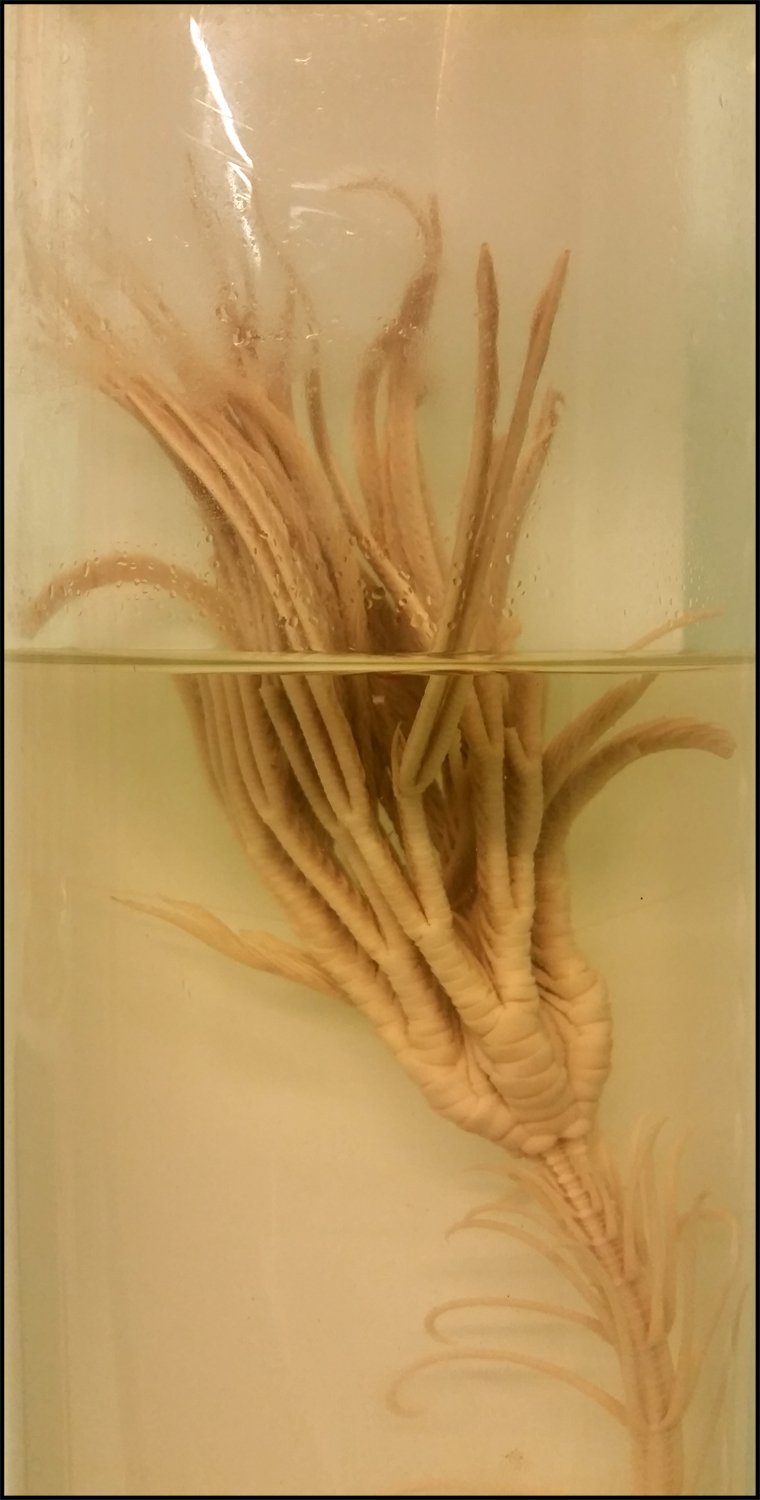
An organic specimen submerged in preservative fluid inside a transparent container.

Close-up of a lion's face with a slightly open mouth, showing teeth, and golden eyes.
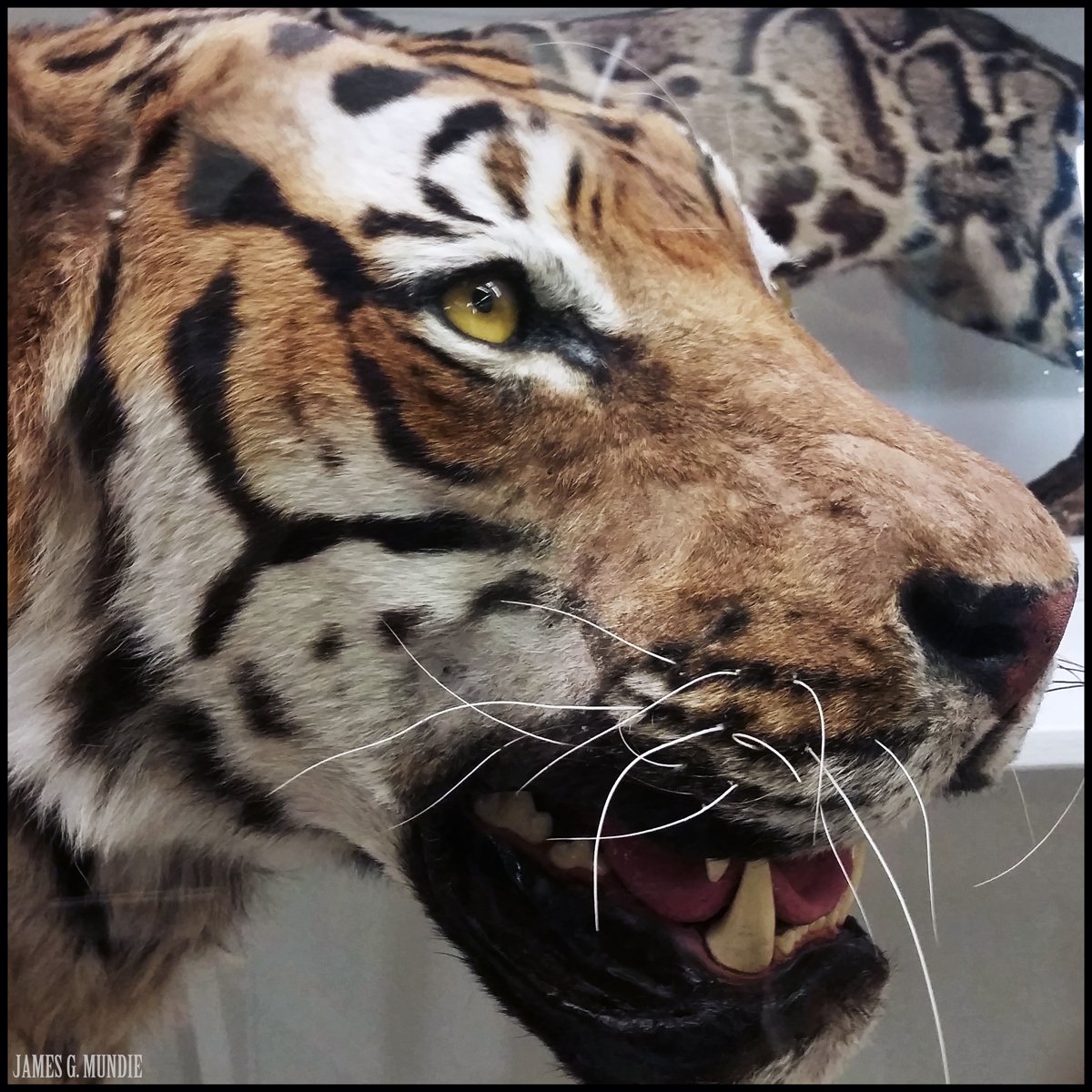
Close-up of a tiger's face showing its yellow eye, striped fur, and open mouth with visible teeth.
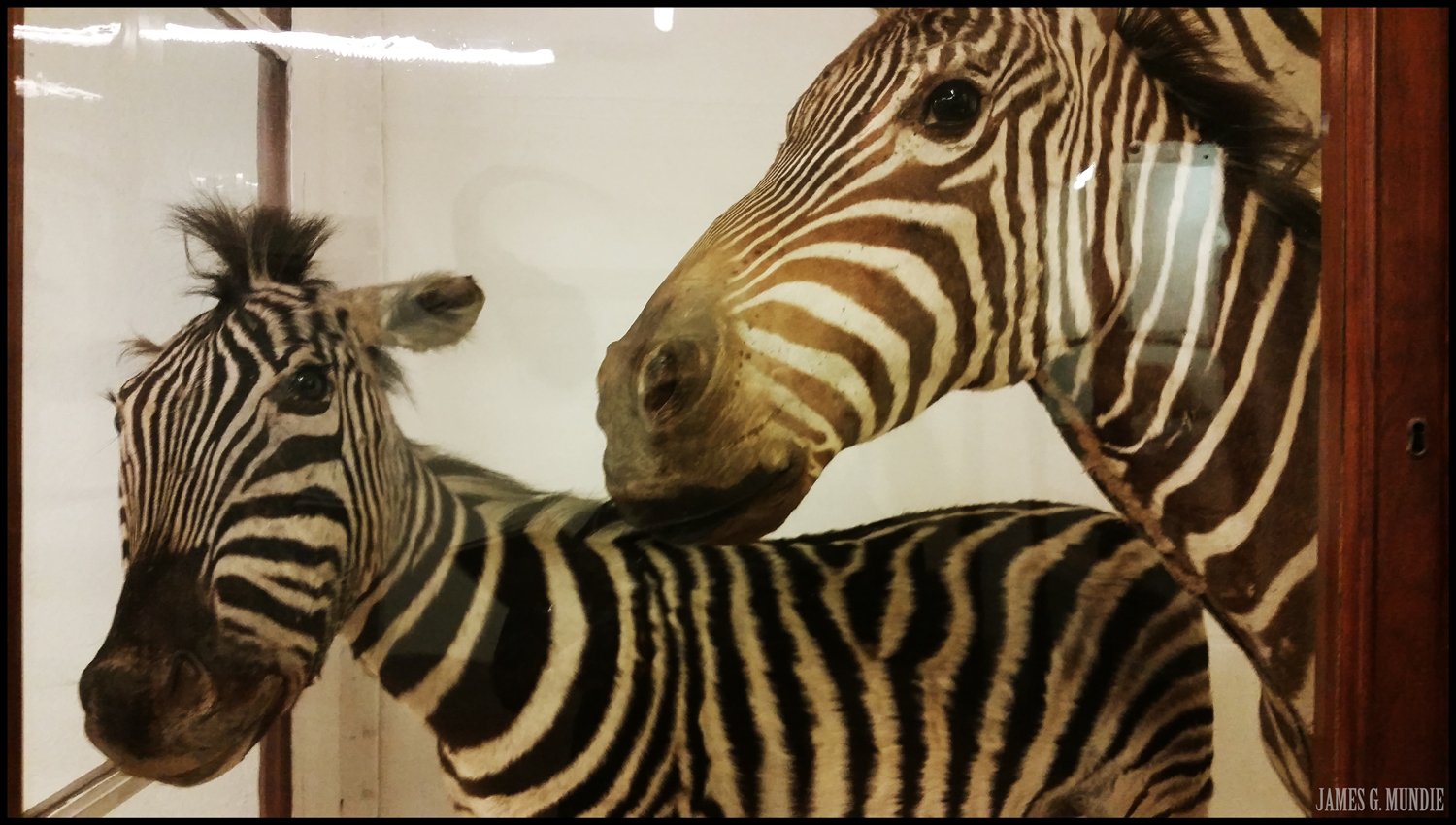
Two zebras are inside a glass display case. One zebra is facing forward, and the other zebra is turned slightly to the side. Both zebras have black and white striped coats.

Awkward 17th-century hippo mount inexpertly preserved by taxidermists who had apparently never observed the hippo while it lived. A century later, the ceroplastics workshop attempted to correct the presentation with more realistic wax modeling over the original. A 2012 restoration preserved features of both.
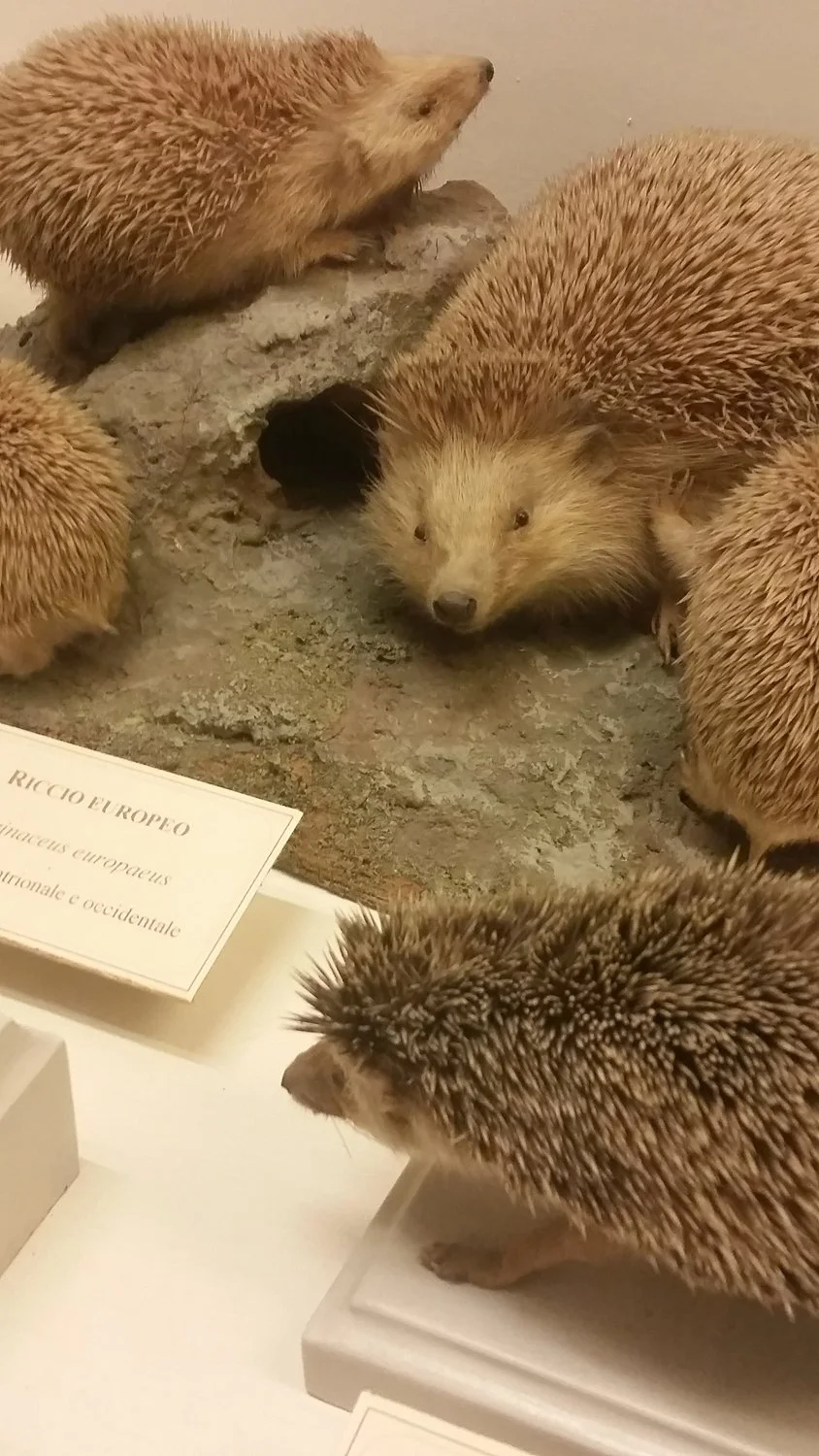
Group of stuffed European hedgehogs display at a museum exhibit.

Volpe Volante Indiana
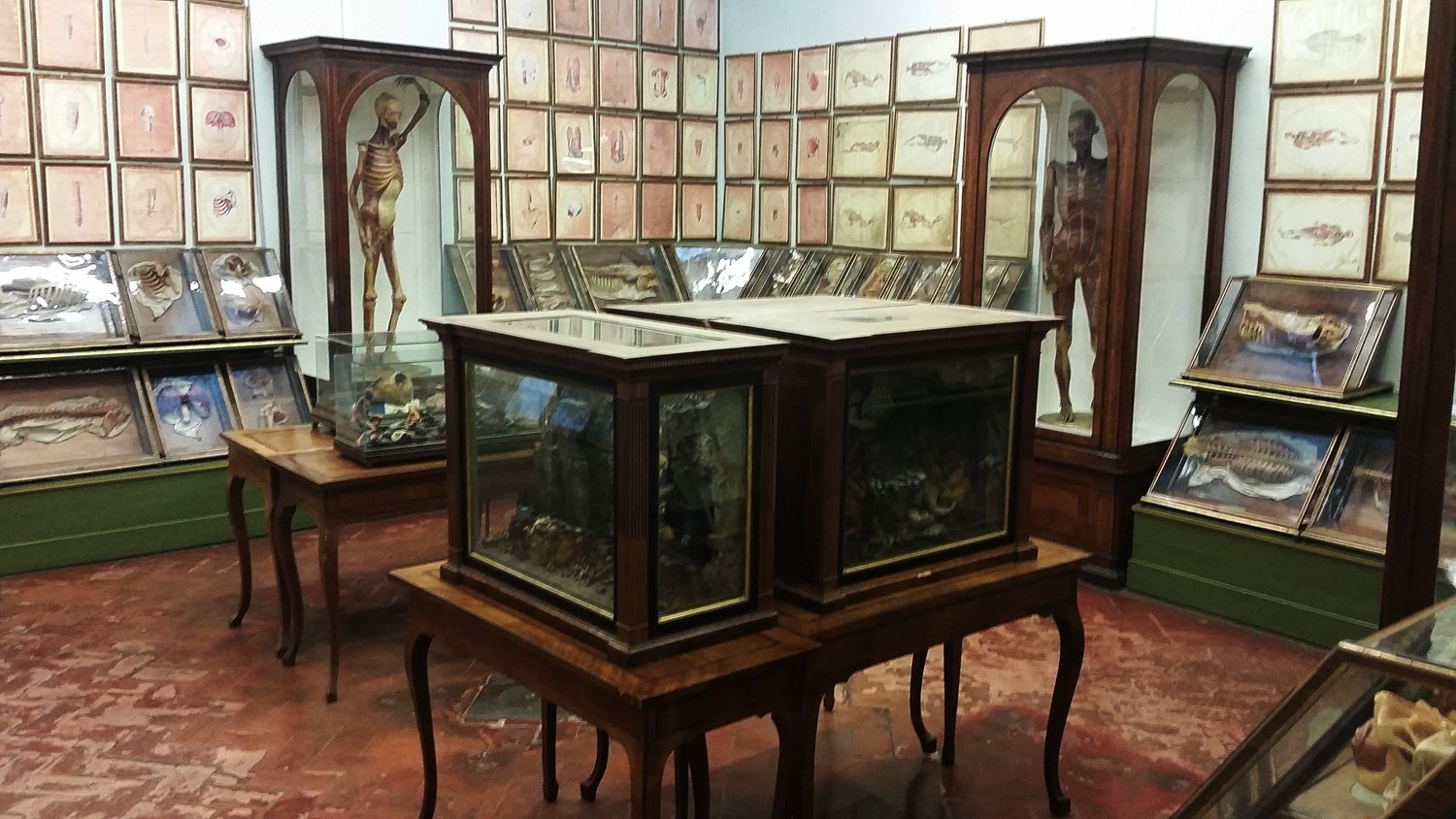
A display room with glass cases and framed skeletal diagrams on the walls, including two wooden statues of human skeletons inside glass cabinets.
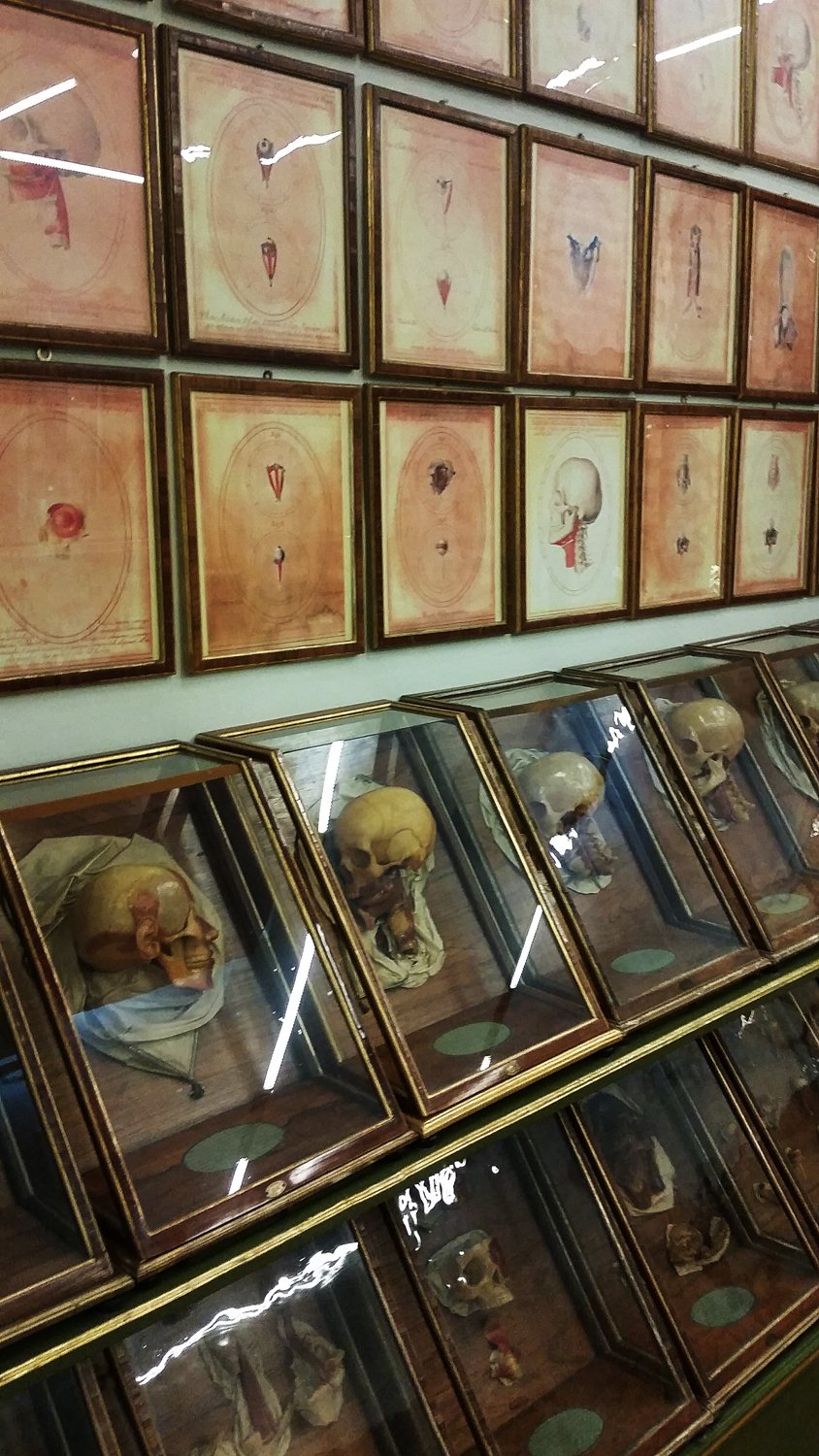
Display of human skulls in glass cases on wooden shelves and framed anatomical illustrations of the human body on the wall.

A human skeleton display in a museum case with wooden frame and glass front, set against a green background.

A museum room with bust sculptures on the wall and a large alligator mounted on the ceiling.

A covered courtyard with columns, potted plants, and arched walkways leading to an outdoor street scene in the distance.
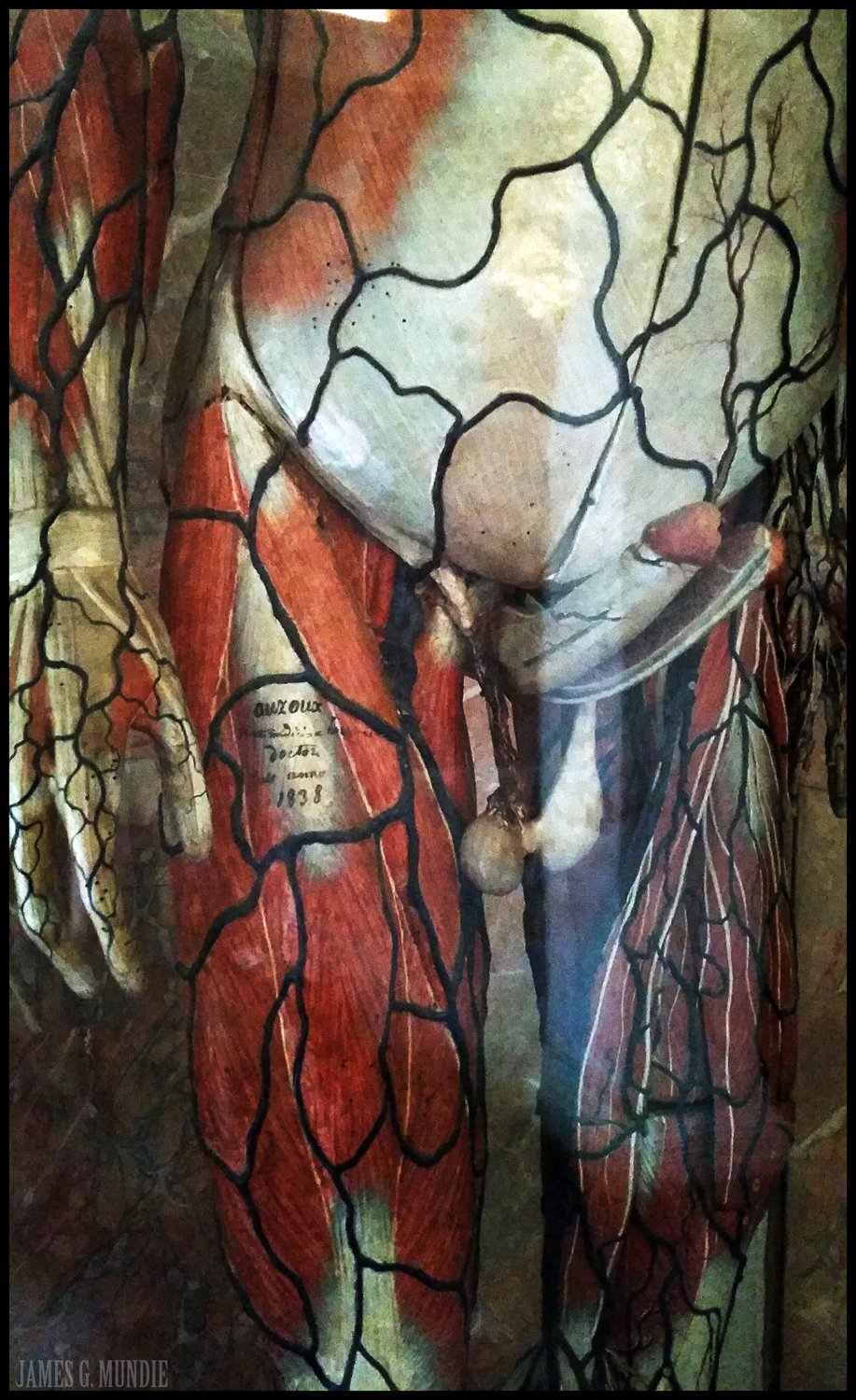
Frisky écorché: 1838 anatomical model by Louis Thomas Jérôme Auzoux

Close-up of a leopard stuffed animal with yellow eyes and detailed fur pattern.
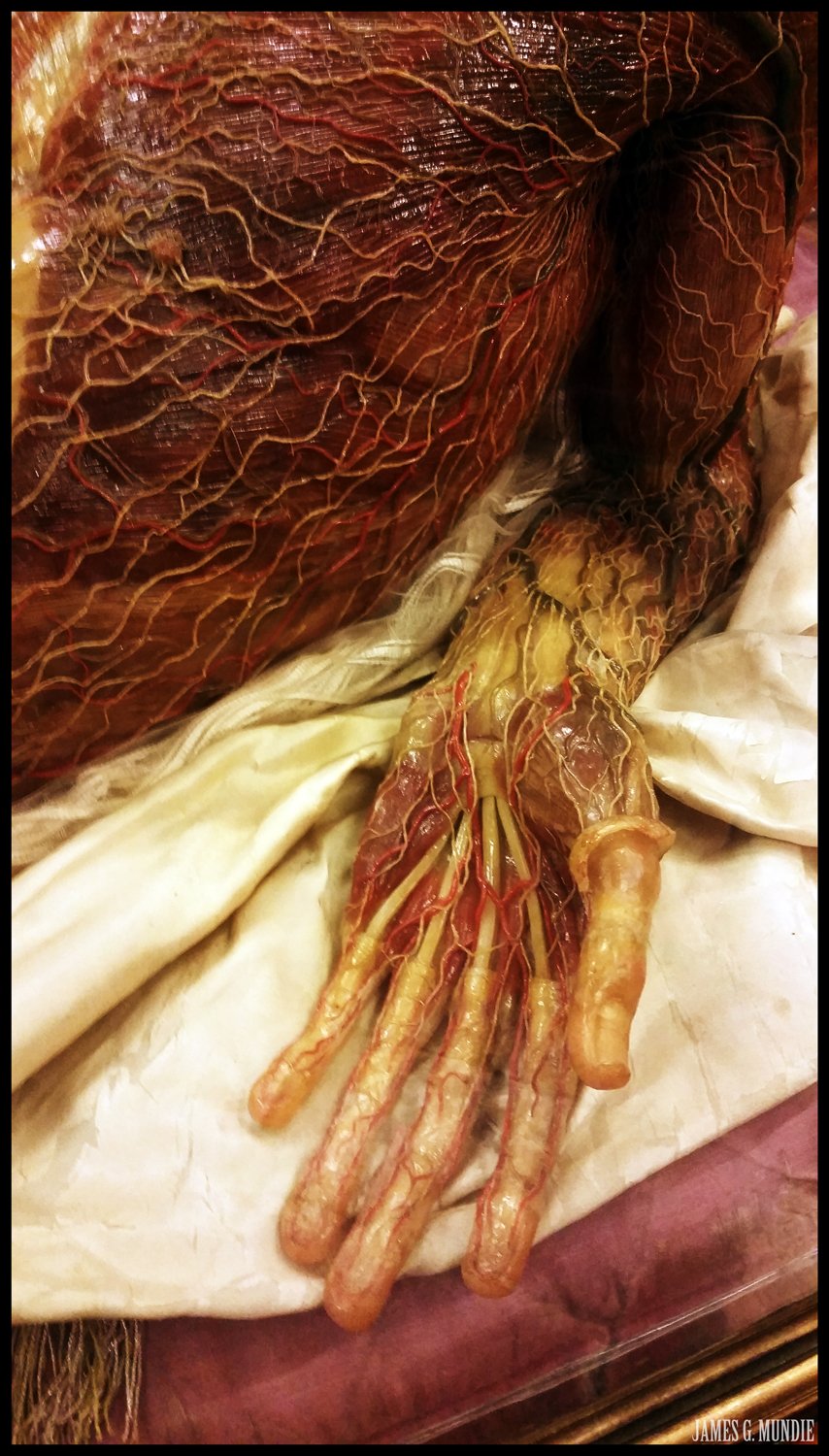
Detail of anatomical wax "Lo Spellato" by Clemente Susini
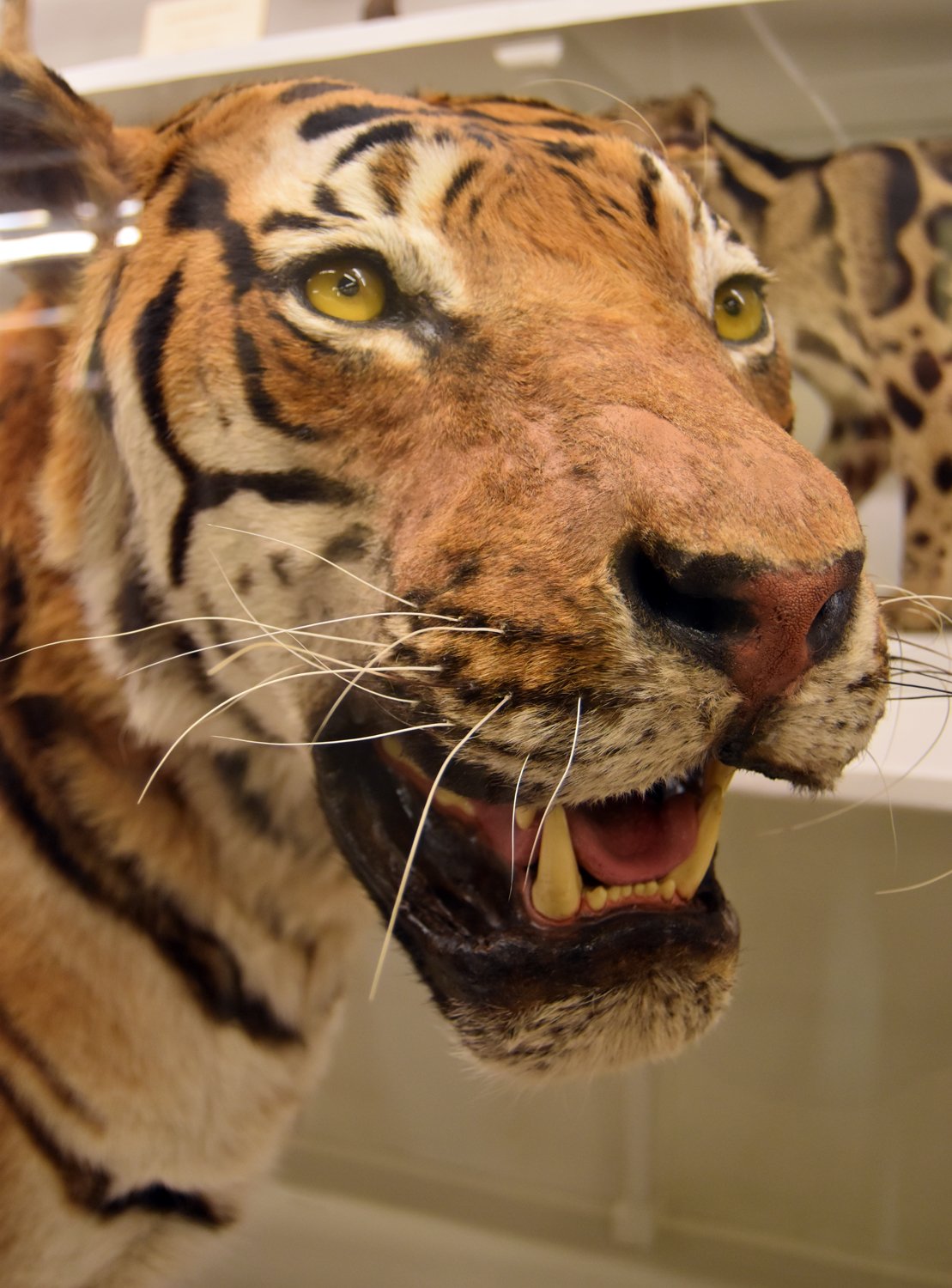
Close-up of a tiger's face with open mouth, showing teeth and whiskers, in a zoo or sanctuary setting.

Close-up of a tiger's head with its mouth open, showing sharp teeth, yellow eyes, and orange fur with black stripes. In the background, there is a small animal, possibly a cheetah, displayed as a taxidermy or sculpture.

A close-up of a snarling dog with visible teeth and an open mouth. The dog has brown fur and dark eyes.

Close-up of a realistic animal head resembling a wolf or dog with yellow eyes and a black nose, lying on a furry brown surface, with some blood and flesh visible.
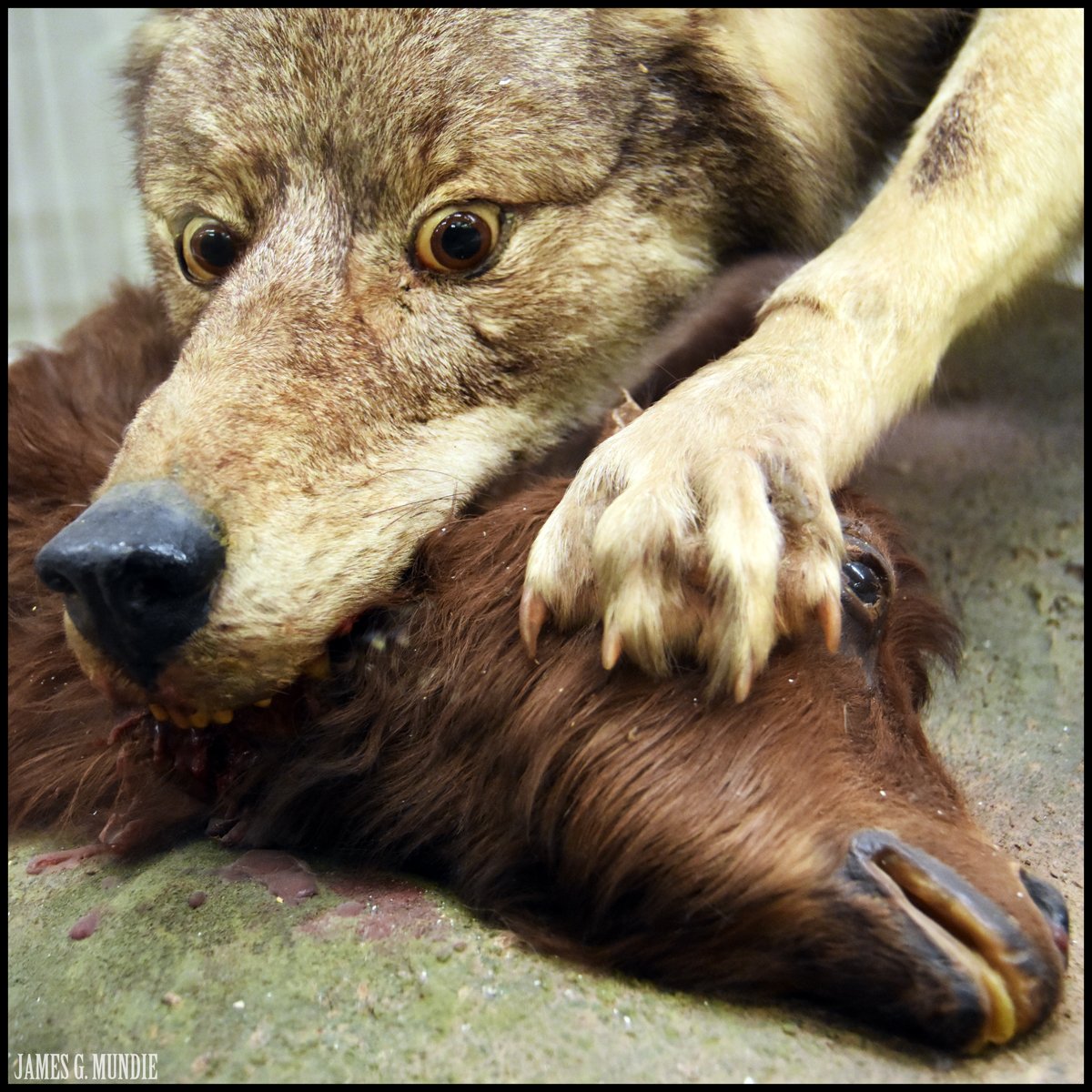
Crazy eyes

Polar bear

Close-up of a brown rabbit with a slightly goofy expression, showing its teeth, with a white wall background.

Startled walrus

Angsty rodent

Saber-toothed deer

Pithecia pithecia
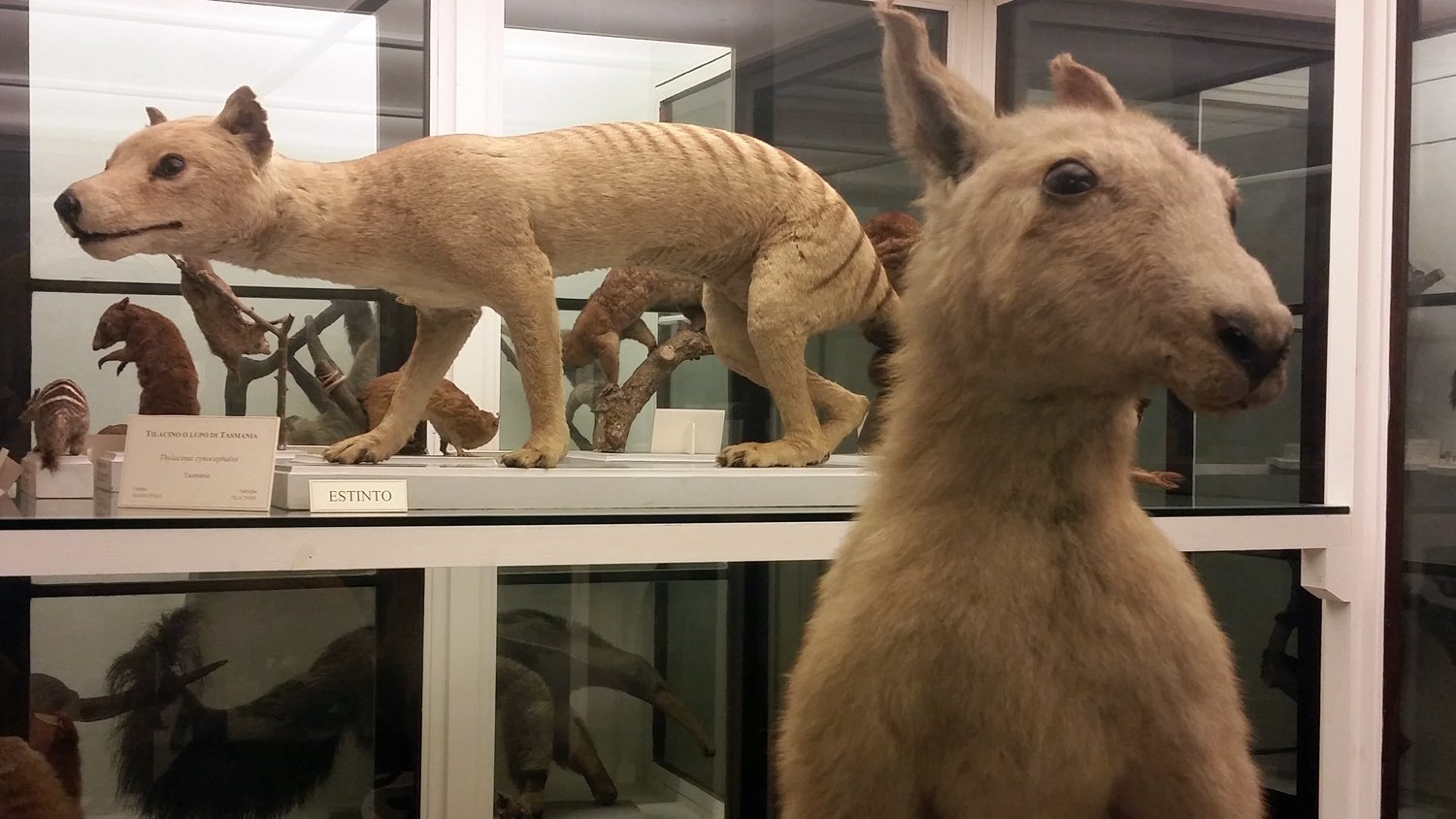
Thylacinus cynocephalus

Tasmanian tiger (Thylacinus cynocephalus)

Close-up of a hawk's head showing detailed feathers, yellow eyes, and a curved black beak.
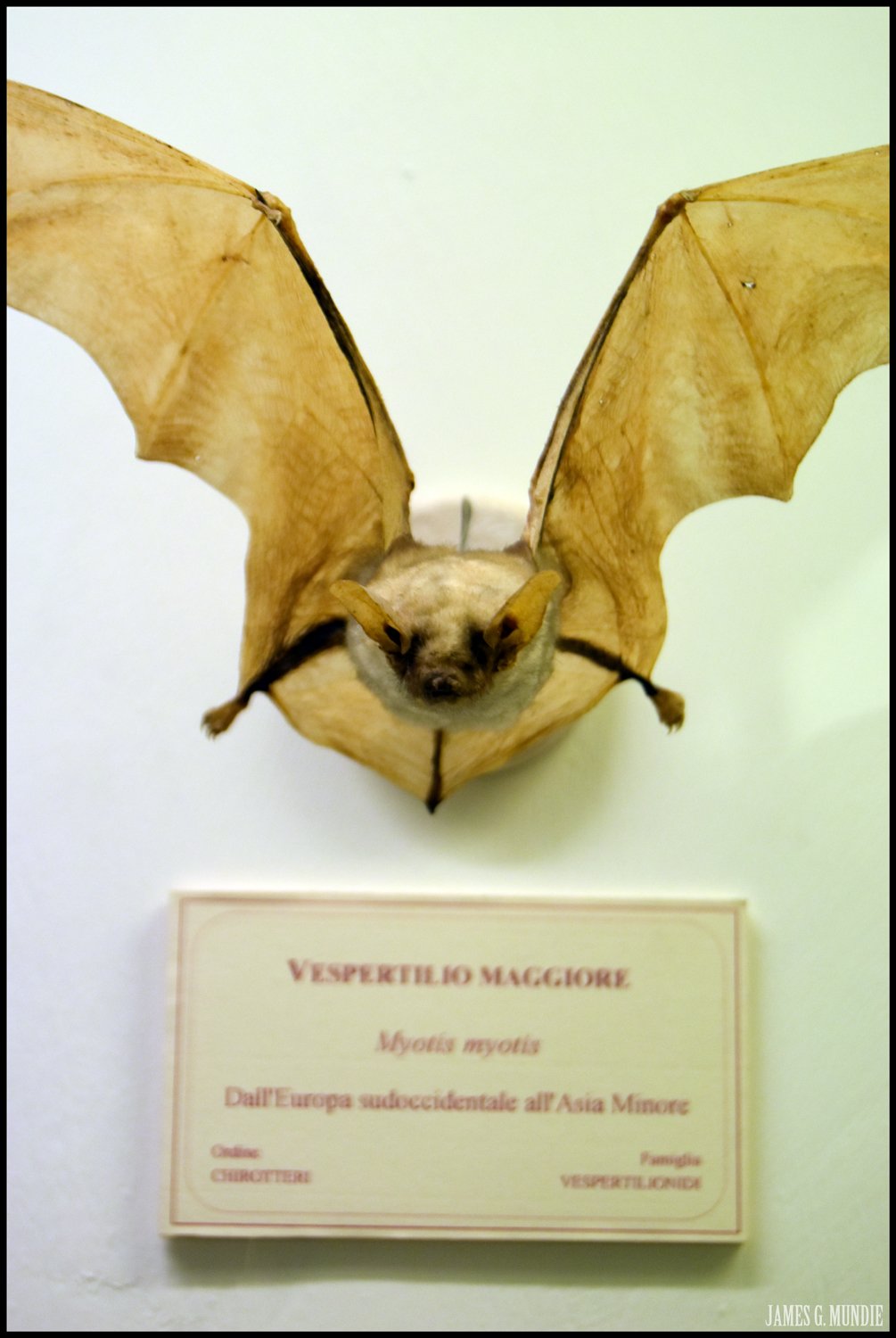
Vespertilio Maggiore

Hegdehogs

Close-up of a toucan's head, highlighting its large, colorful beak and black and white facial feathers.
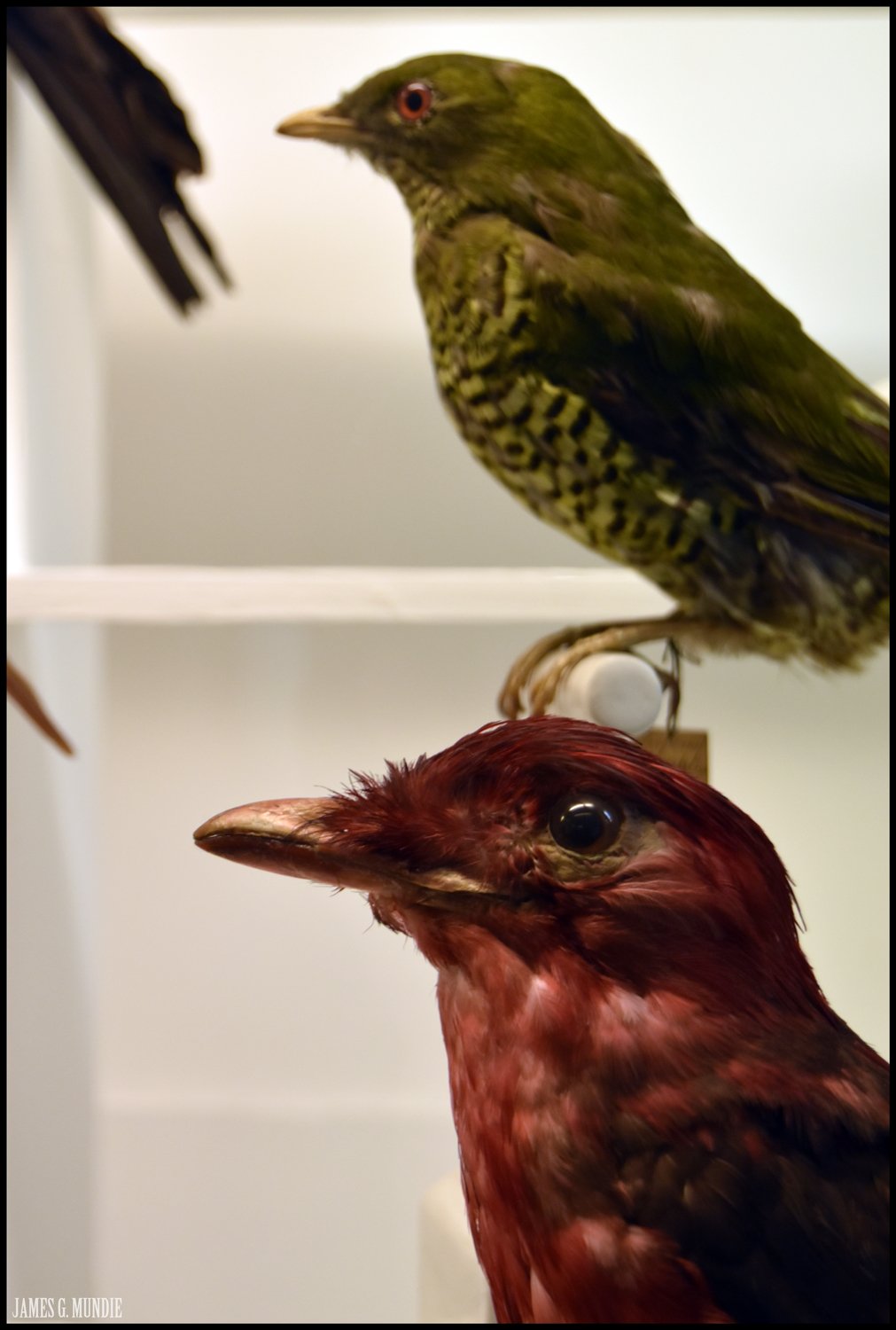
Close-up of two taxidermy birds, one green perched above a red one, in a museum display.

Close-up of a taxidermy shark with a cartoonish face, featuring a smiling mouth, luminous eyes, and a textured, brownish body.

Close-up image of a preserved, textured, light-colored crocodile head and neck with sharp teeth, on a plain wall background.
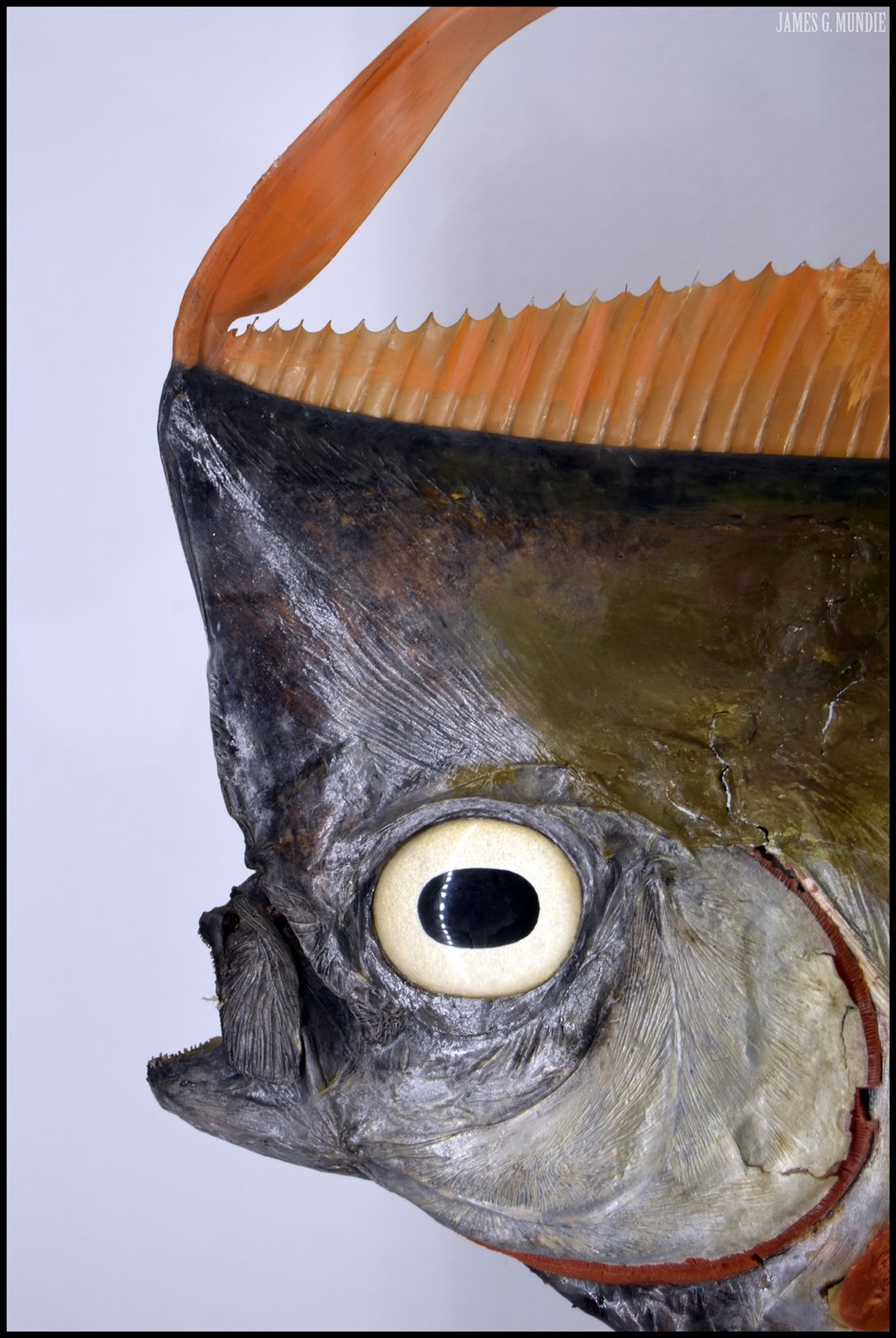
Oarfish
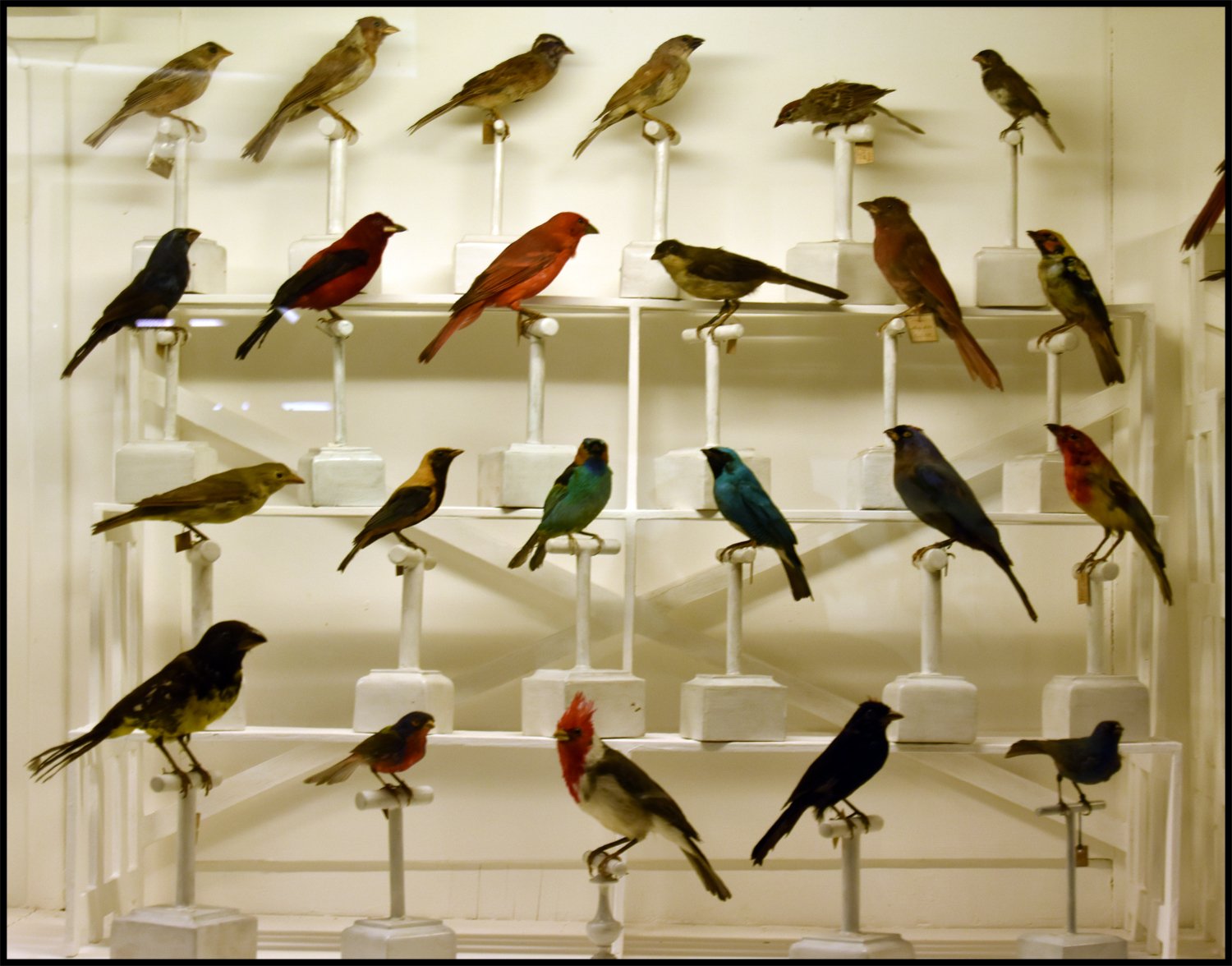
Twenty-three songbirds

An anatomical human skeleton model displayed in a museum or educational setting against a dark green background.

An anatomical skeleton on display, viewed from below, with the skull facing forward and lasers pointing at it, in a glass case in a museum.
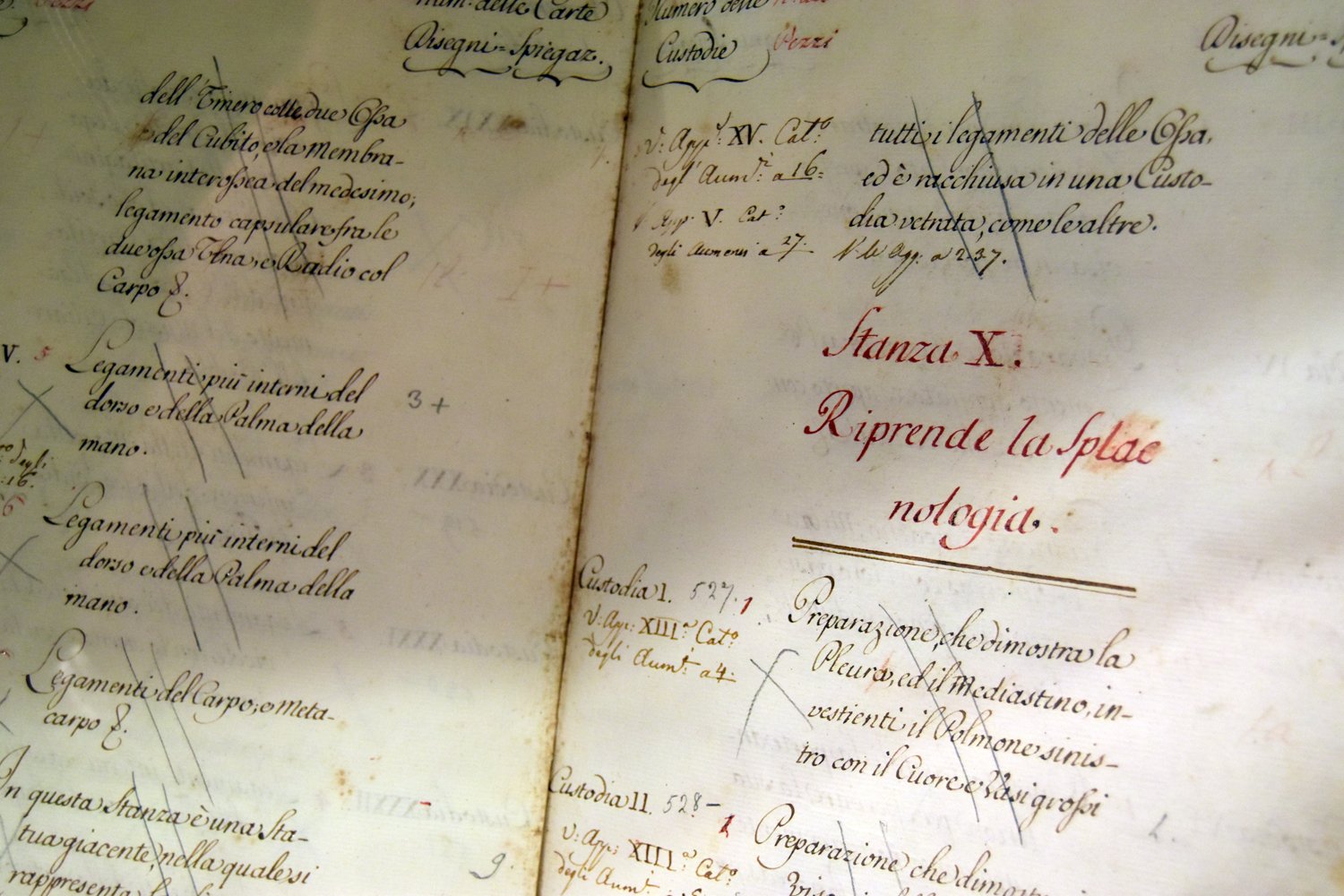
An open old book with handwritten text in Italian. The right page contains a title in red ink, "Stanza X. Riprende la Splaologia," with handwritten notes below. The left page has handwritten notes and annotations in black ink. The pages appear aged and slightly yellowed.
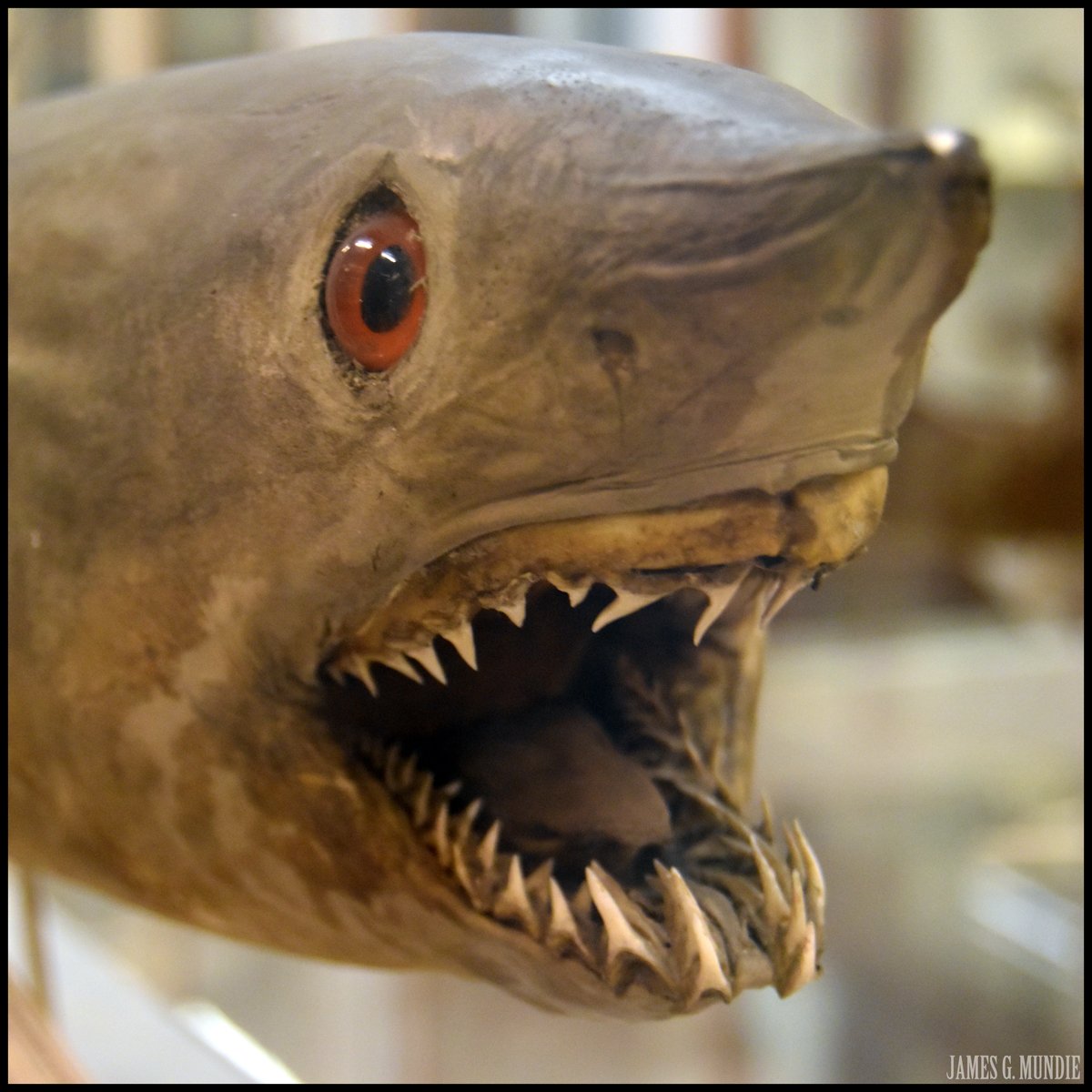
Close-up of a taxidermy shark head with sharp teeth and red eye.

Wax giant

Bird cabinets
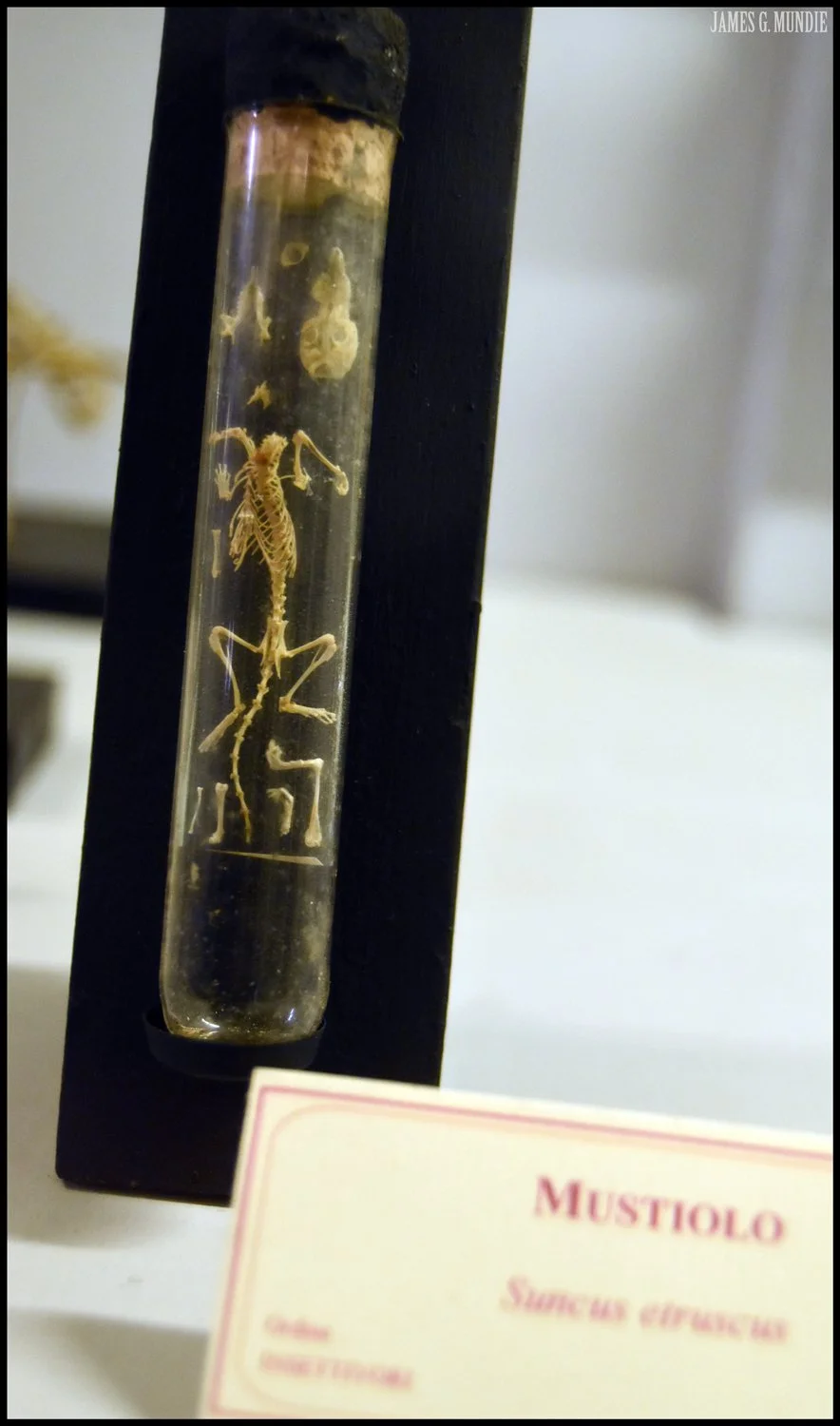
Skeleton of world's smallest mammal

Unicorn bird (White Bellbird)

Close-up of a dried fish head with open mouth and visible eye.

A museum display features a taxidermy bird with blue, purple, and brown feathers, perched on a white stand with a small label attached.
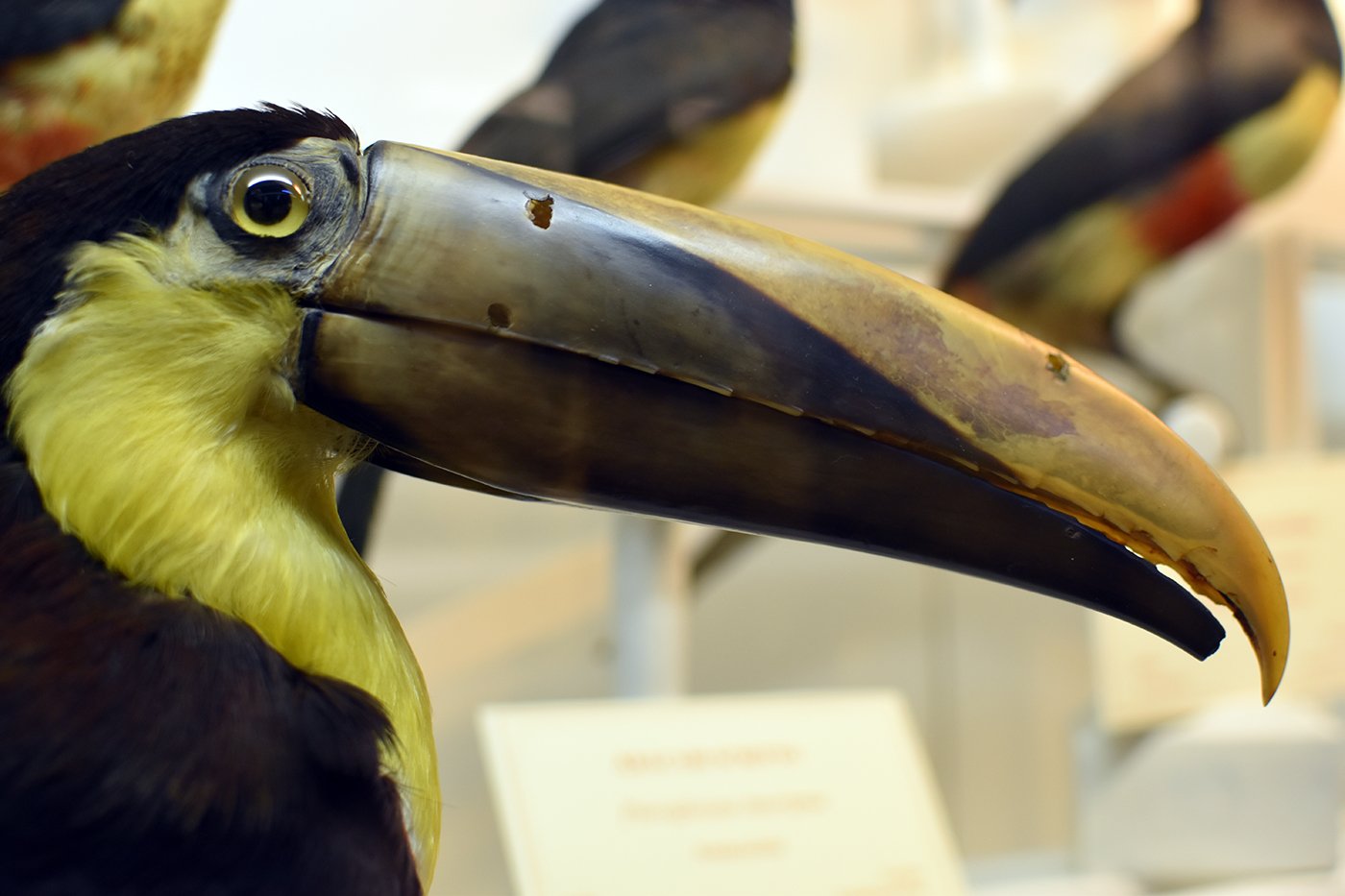
Close-up of a toucan's head showing its large, colorful beak, with blurred background.
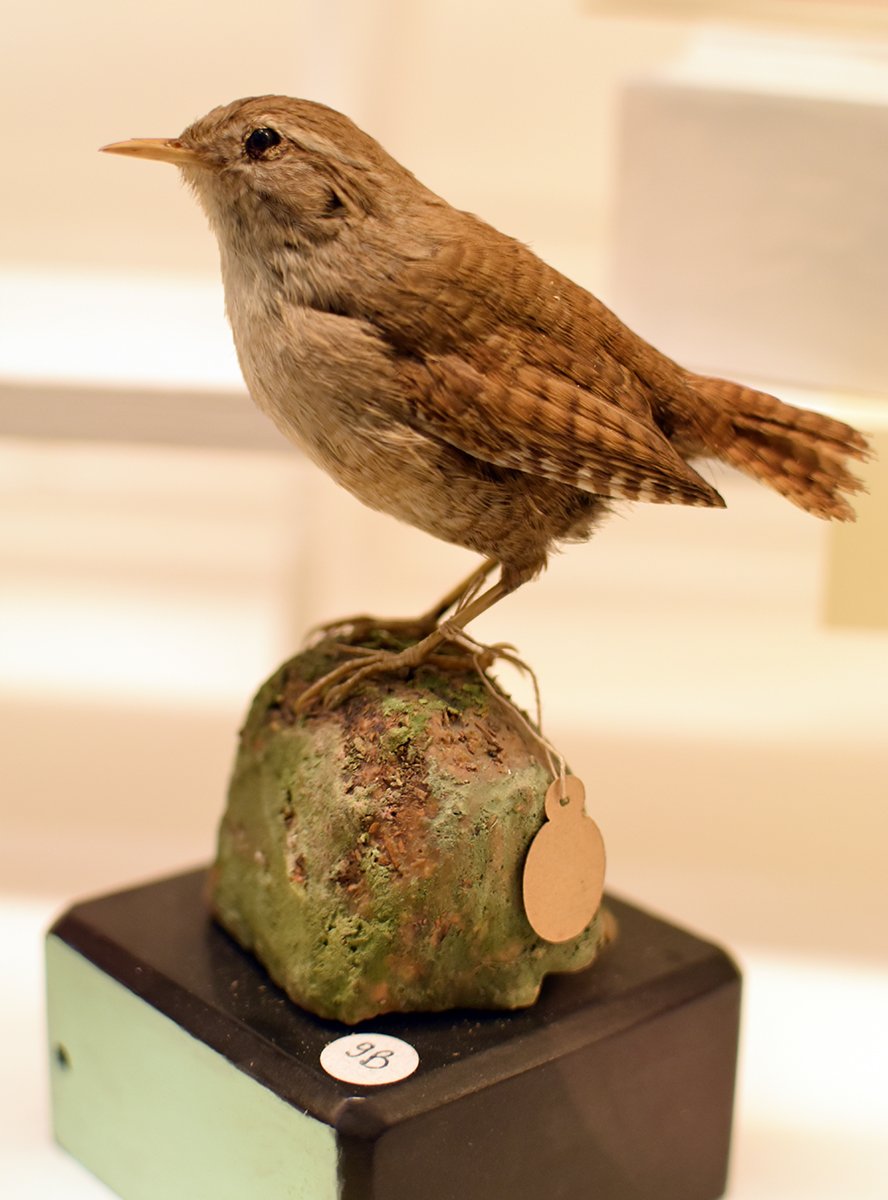
A taxidermy bird mounted on a moss-covered rock, displayed on a black pedestal.

Black and white photo of a pangolin skeleton on display.
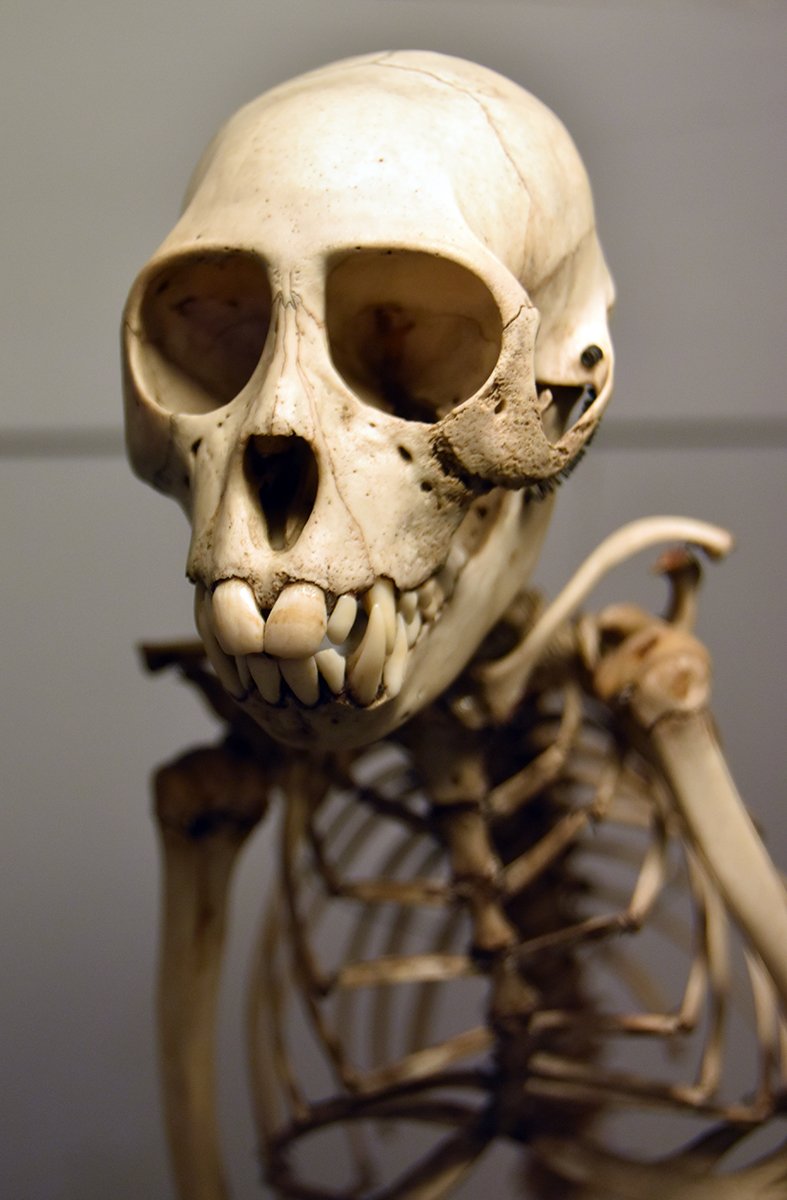
A monkey skull mounted on a skeleton display, showing the skull's front view with hollow eye sockets and teeth.
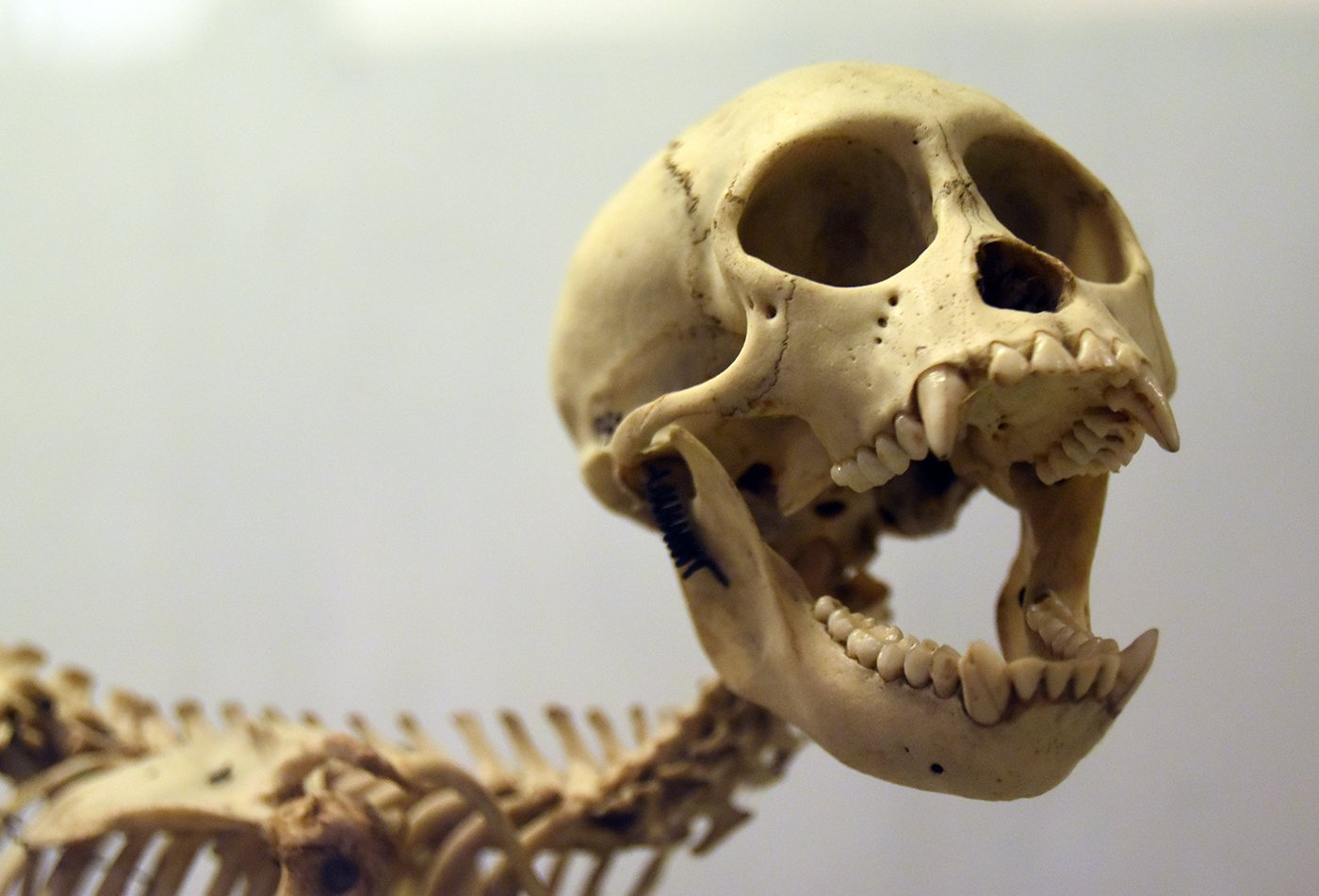
Close-up of a small monkey skull with sharp teeth, mounted on a skeleton display.
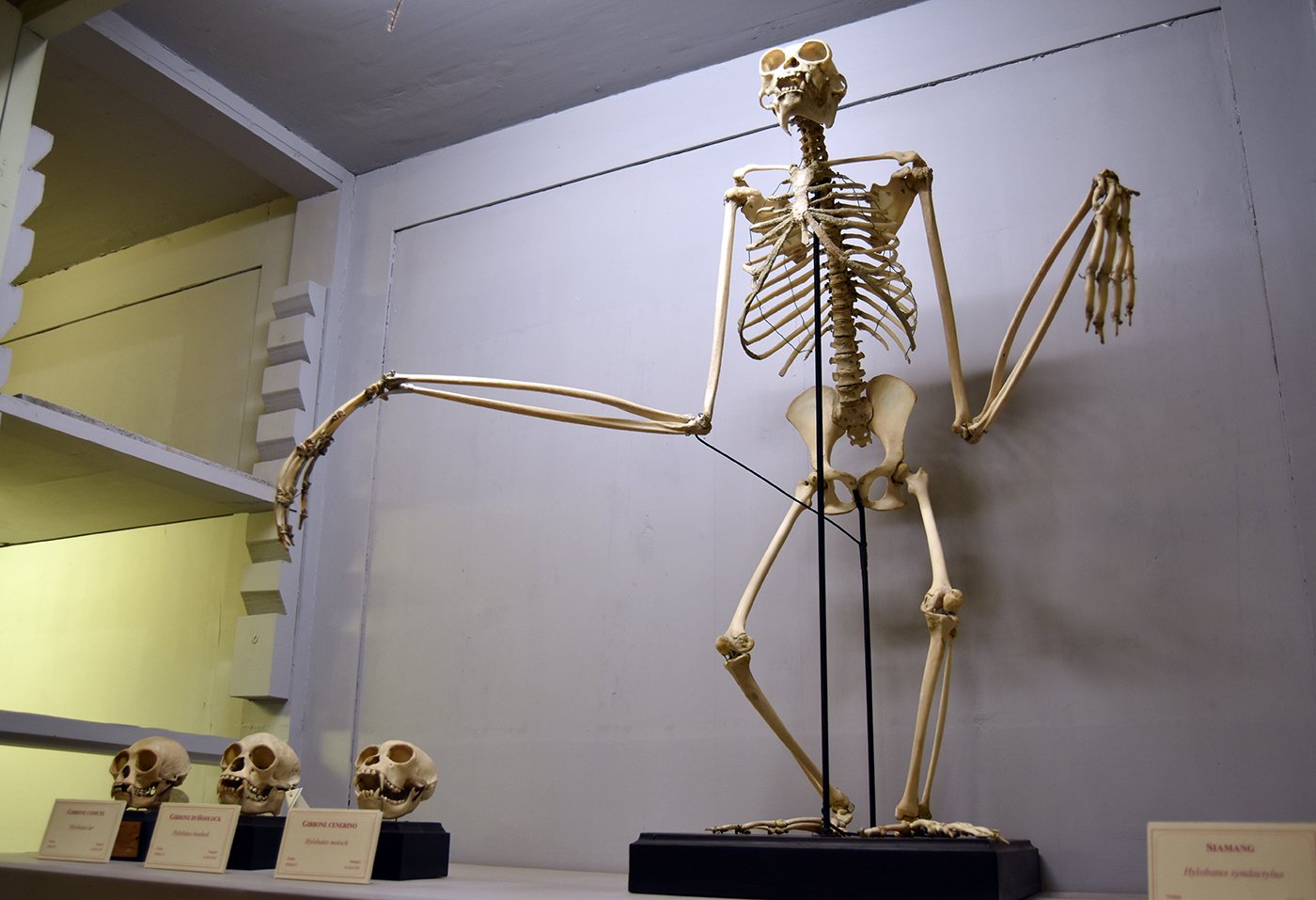
Large skeleton of a gibbon, with raised arms, displayed in a museum setting. Several smaller skulls are visible on the table below.

Close-up of a large gorilla skull, with visible teeth, mounted on a skeleton frame.
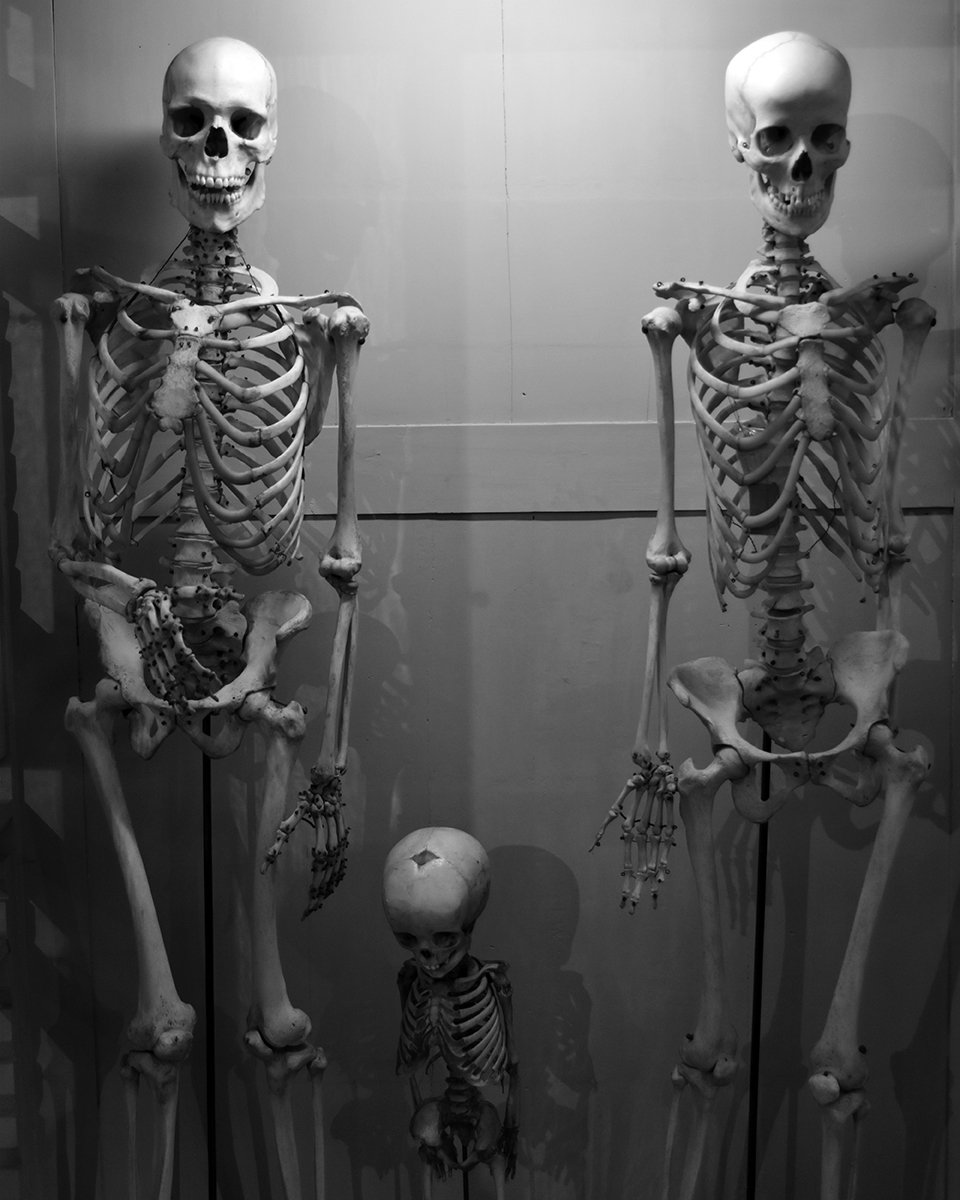
Three human skeletons with skulls, two large and one small, displayed against a wall.

Black and white photograph of a human skeleton's hand with screws or bolts attached
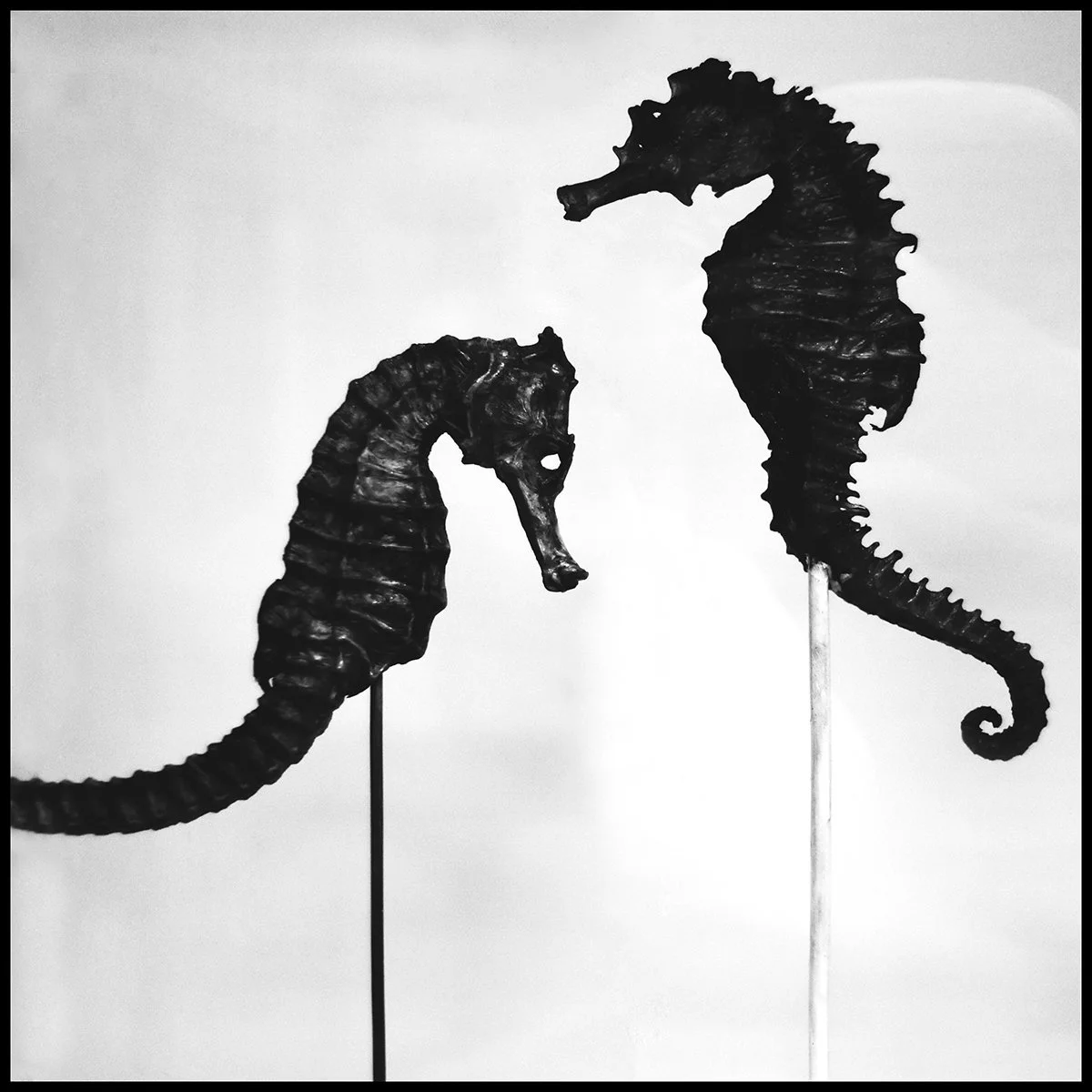
Seahorses: hippocampus trimaculatus (left) and hippocampus hippocampus (right)
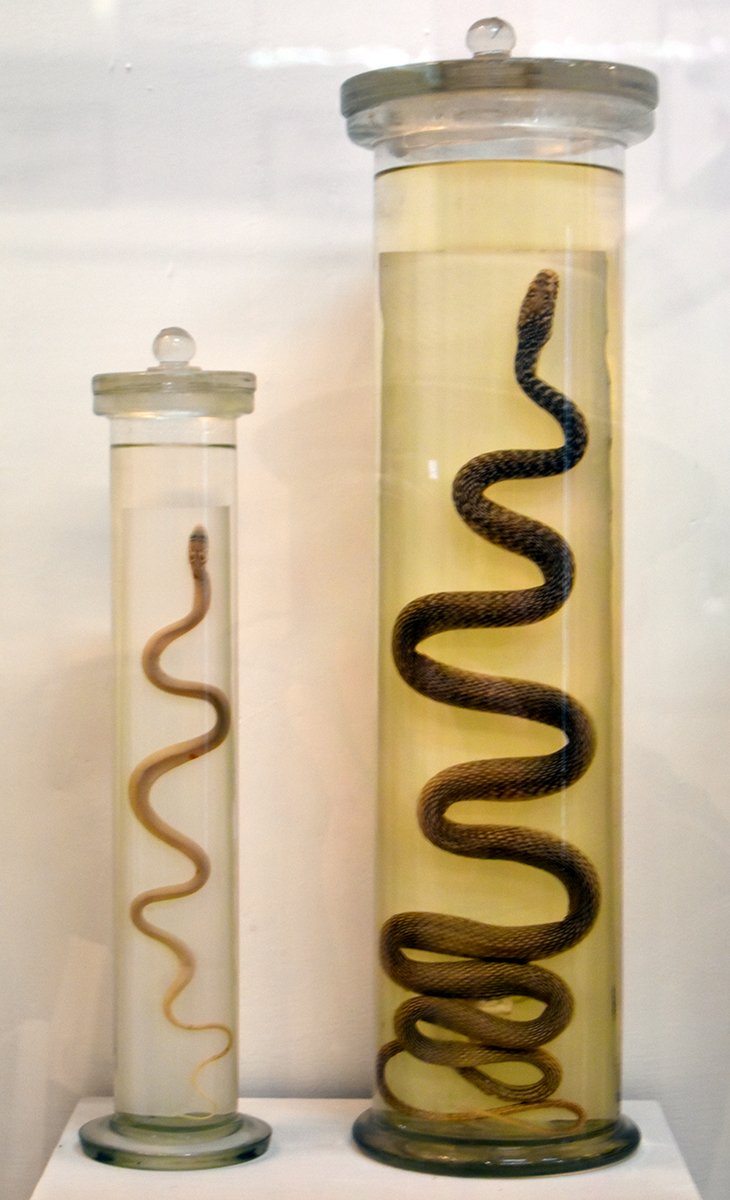
Two glass jars containing preserved snakes coiled inside, with the larger jar on the right and the smaller on the left.
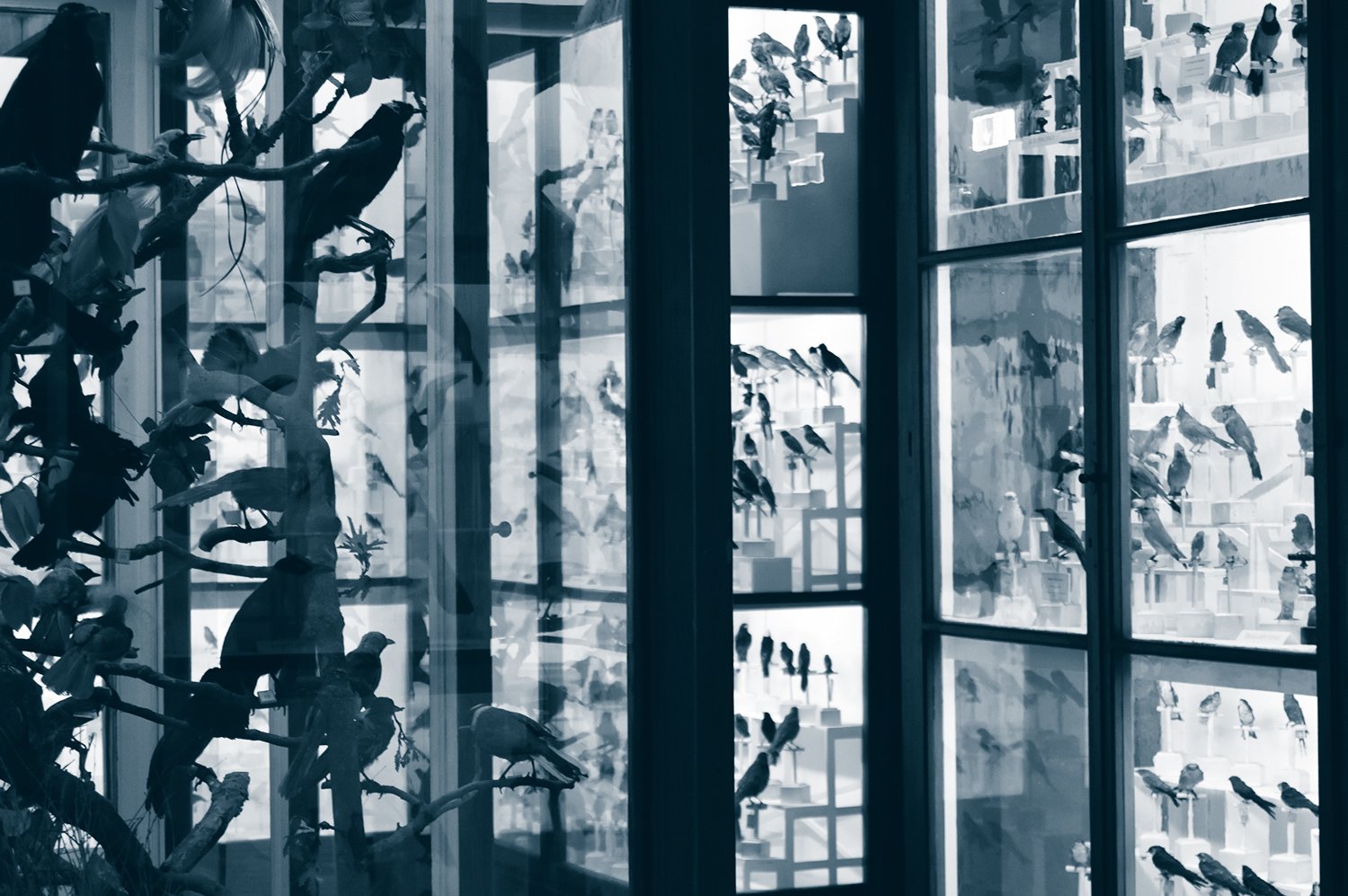
Multiple birds perched on stands displayed behind large glass windows in an indoor exhibit.
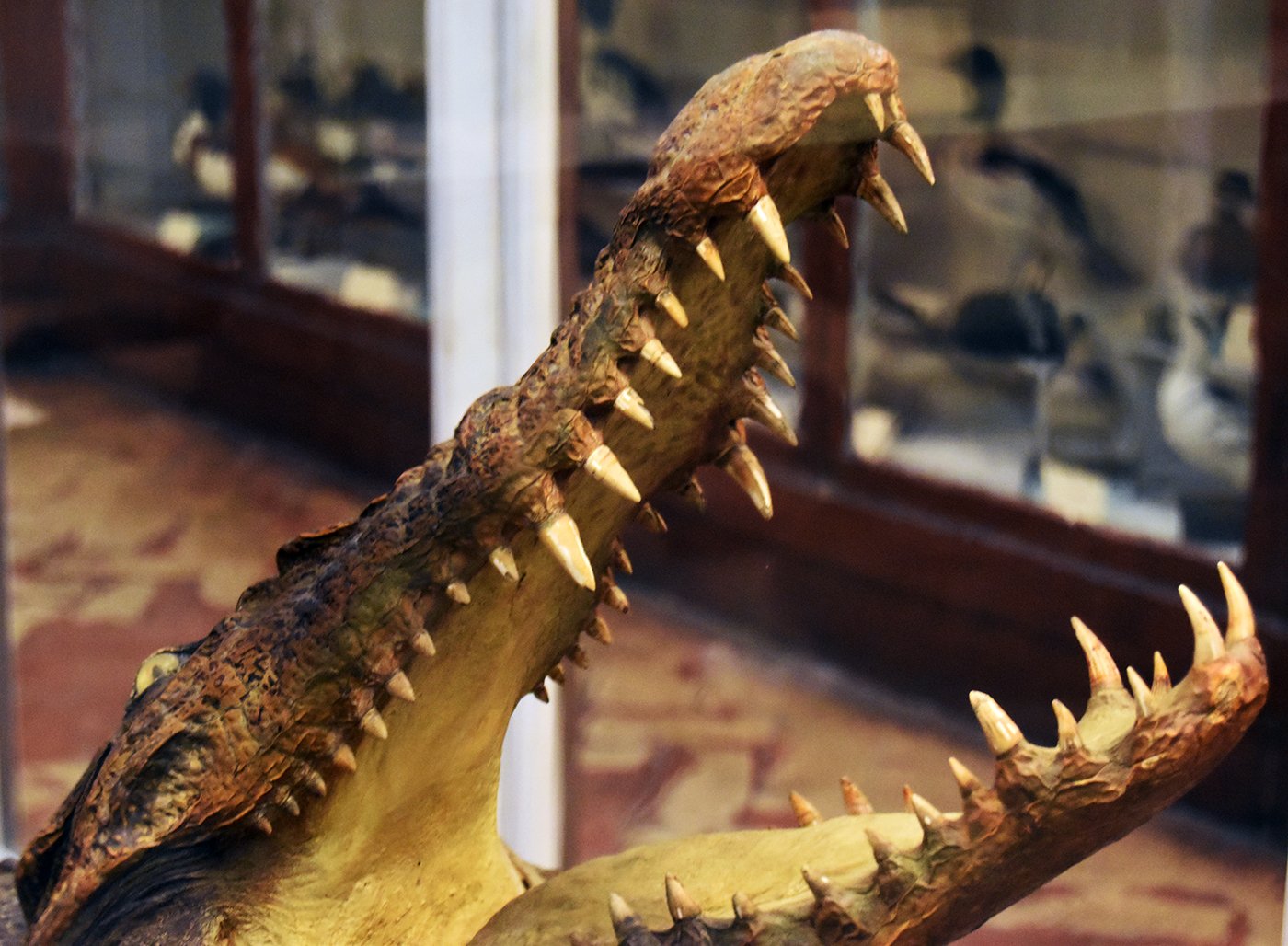
Close-up of a crocodile's open mouth showing sharp teeth, with a display case of other animal exhibits in the background.

Close-up of a monkey's face, showing its nose, eyes, and mouth.
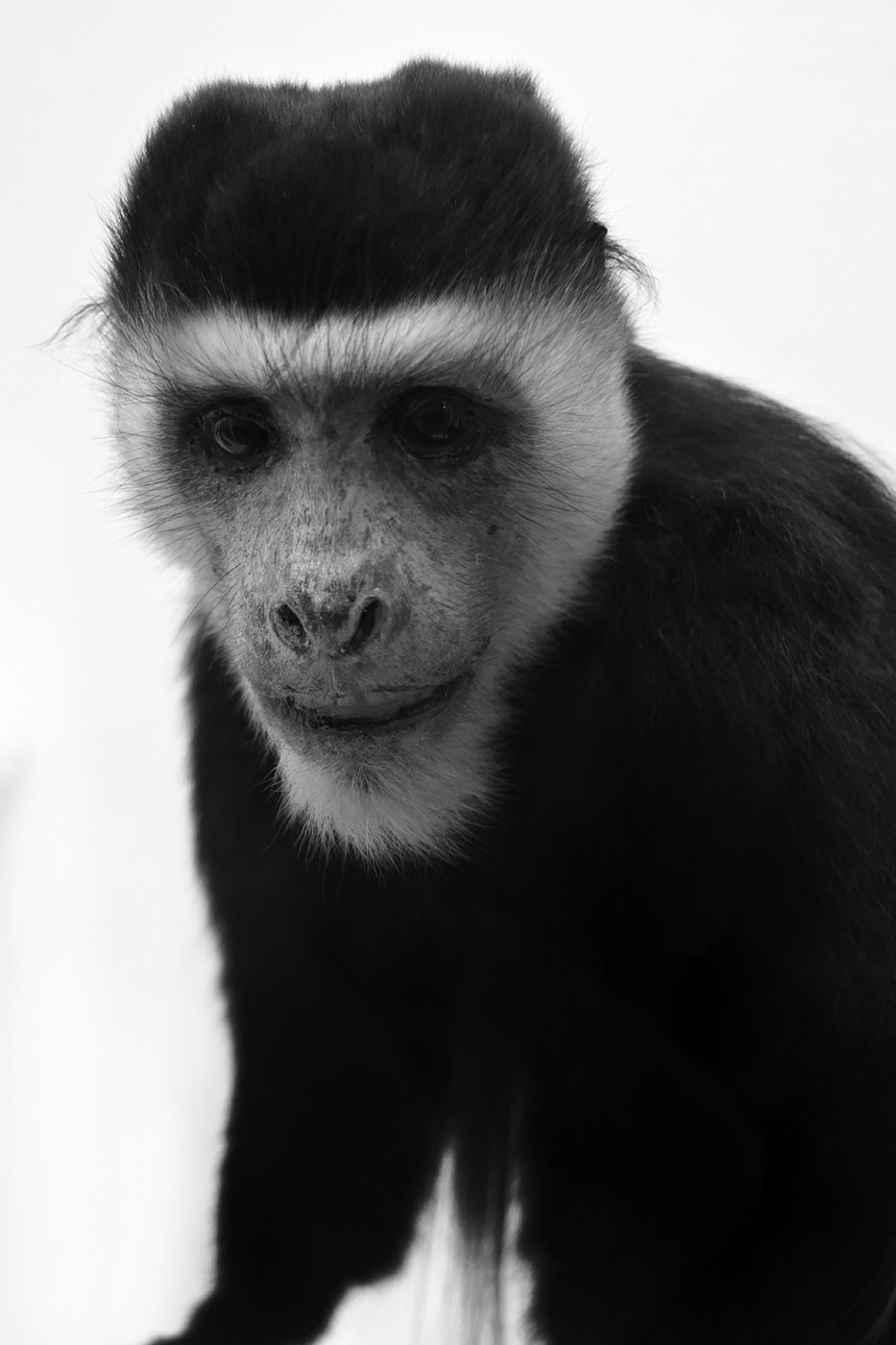
Close-up black and white photo of a white-faced capuchin monkey looking directly at the camera.
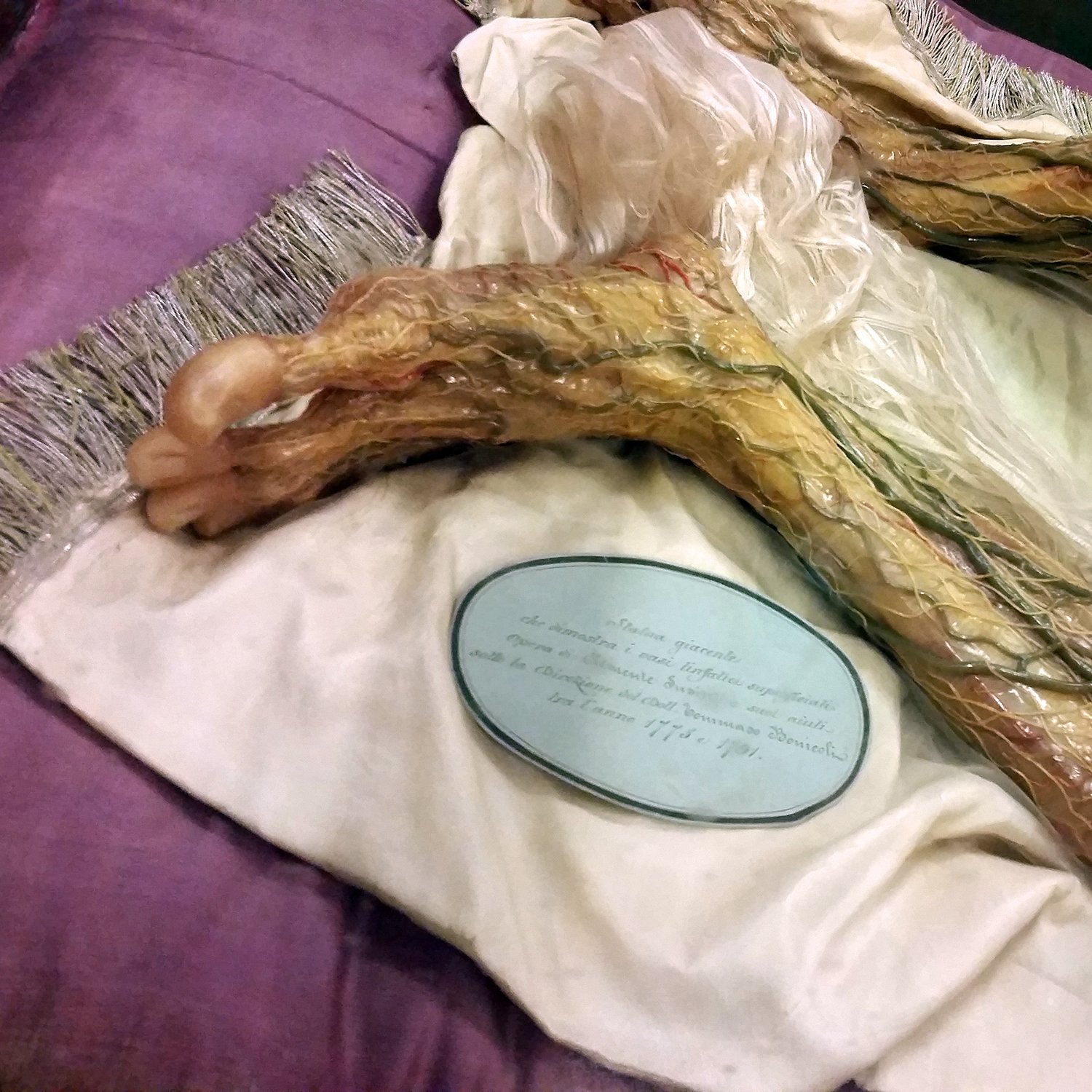
Detail of anatomical wax "Lo Spellato" by Clemente Susini
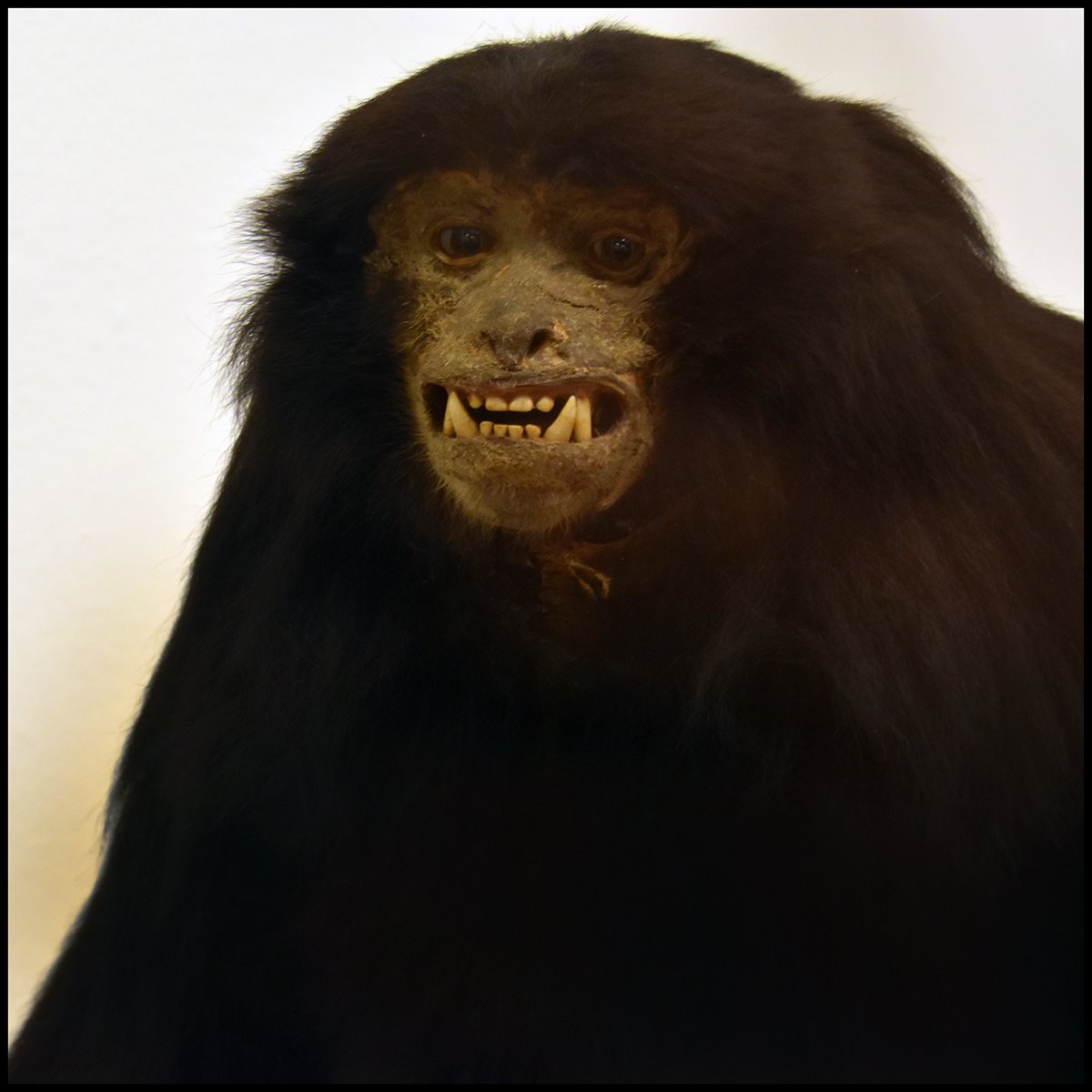
A taxidermy primate with with sharp teeth and wide eyes.

A small snake with a black and yellow checkered pattern coiled inside a clear glass jar filled with yellow liquid.
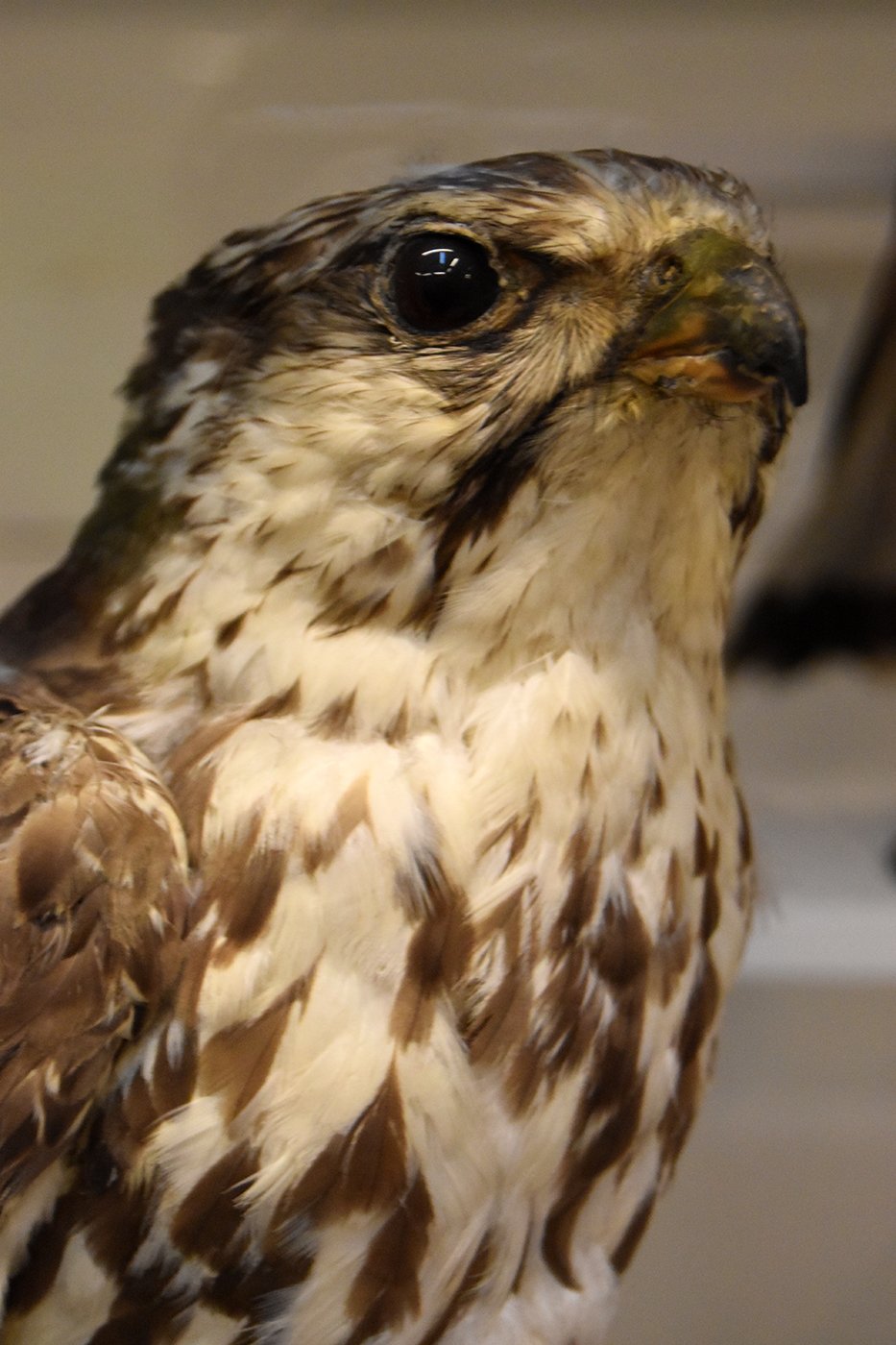
Close-up of a hawk's head, showing detailed feathers and dark eye.

Close-up of a taxidermy head of a deer with tusk-like teeth and tusks protruding from the mouth, showing detailed facial features and fur.

Close-up of a black bear's head with its mouth wide open, showing teeth and tongue, taken from a low angle.

Pangolin

Close-up of a taxidermy pangolin with a textured body, facing right, set against a plain background.

A human skeleton with a large skull and visible rib cage, bones in the hand are also visible.

Mounted animal skulls, including a large antelope skull with curved horns, displayed in a museum or exhibit setting.
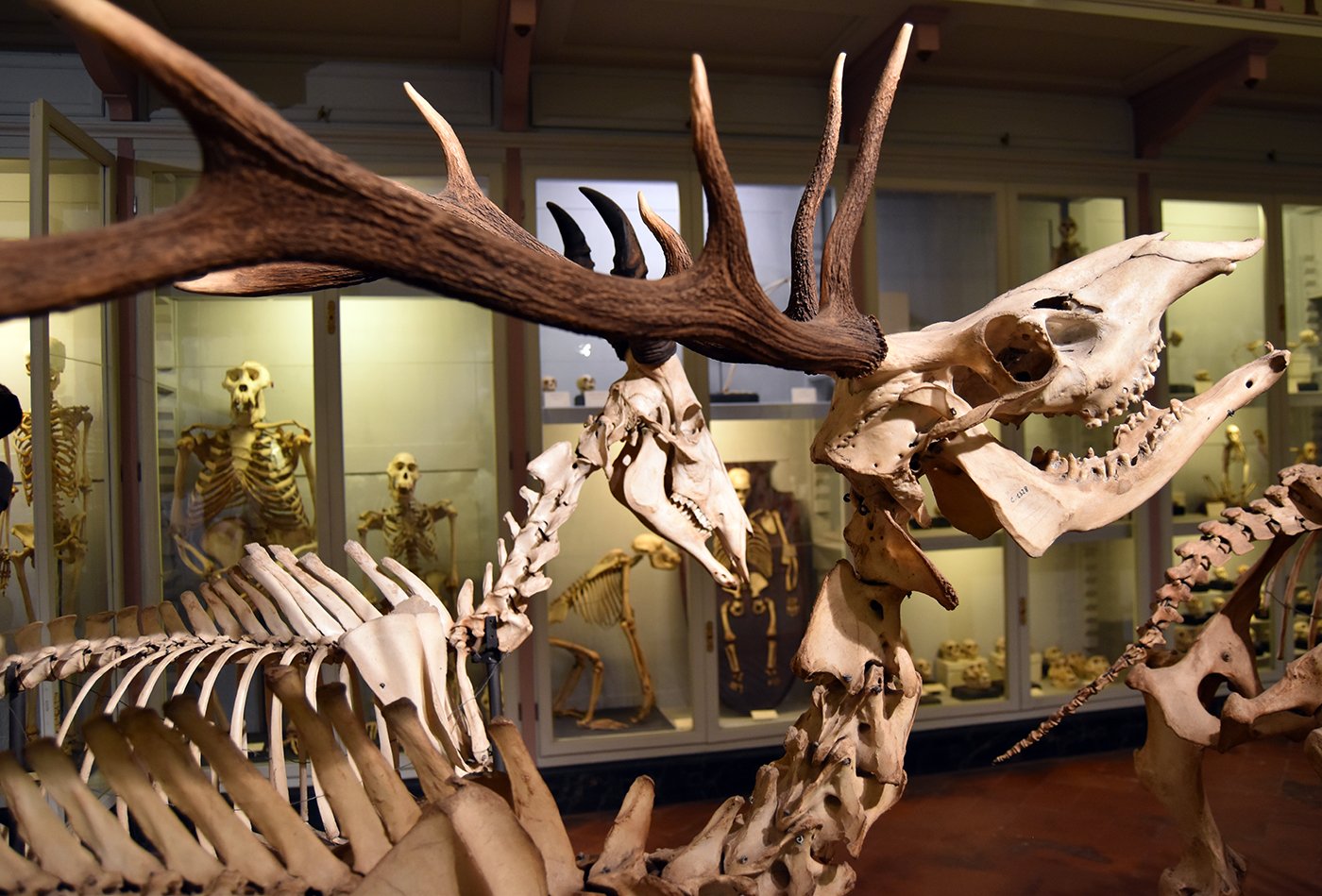
A large elk skeleton with prominent horns displayed in a museum, with other skeletons in glass cases in the background.
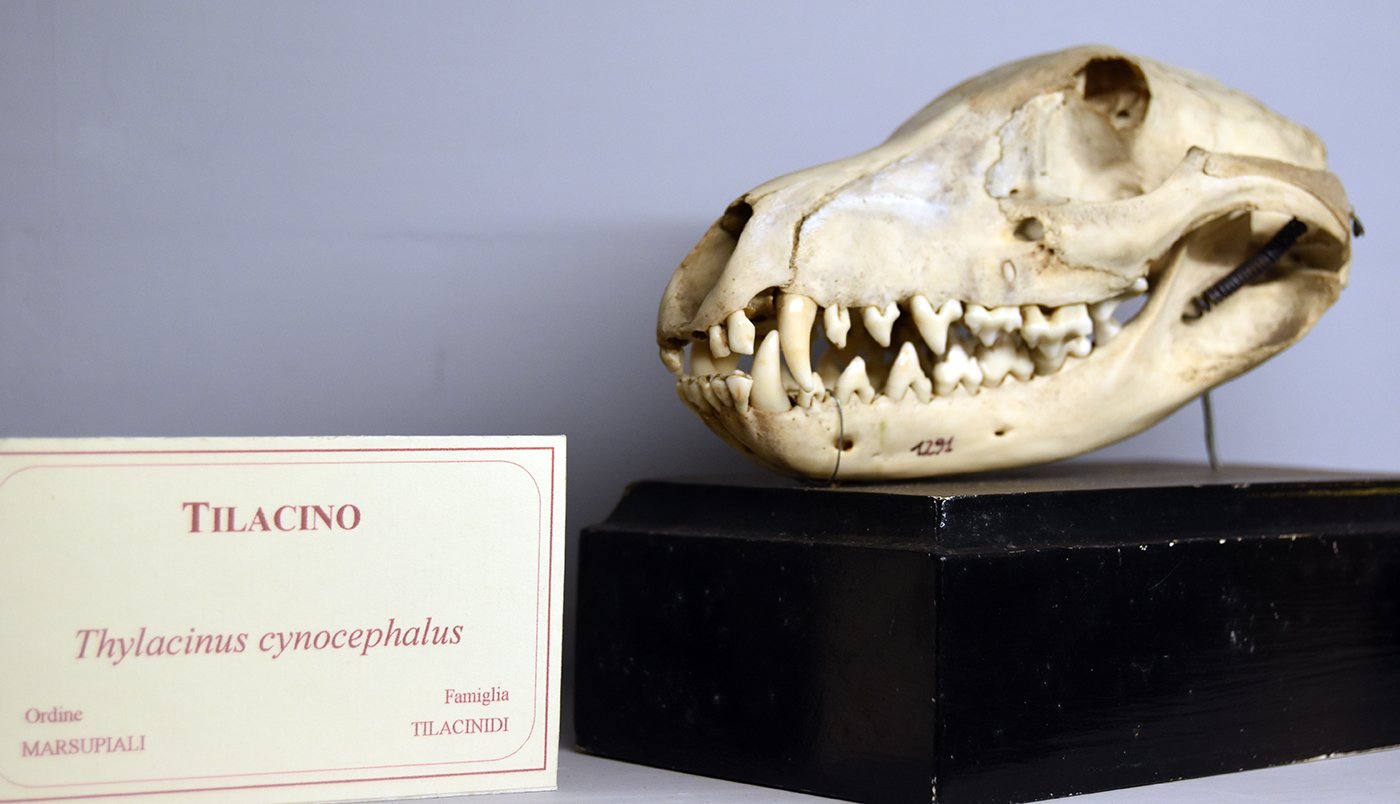
Skull of thylacine (Tasmanian tiger)
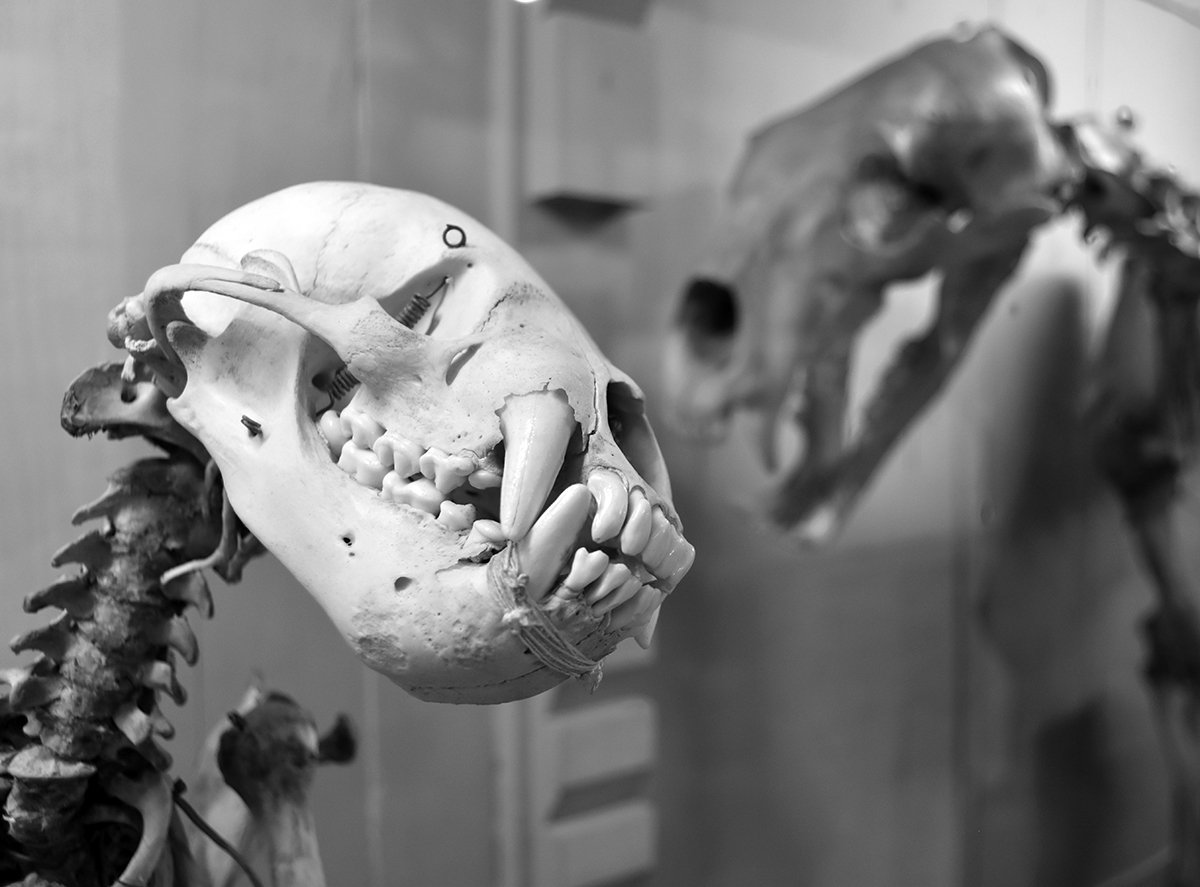
Black and white photo of an animal skull, possibly a feline, with some teeth missing and exposed brain cavity, displayed as a museum exhibit.
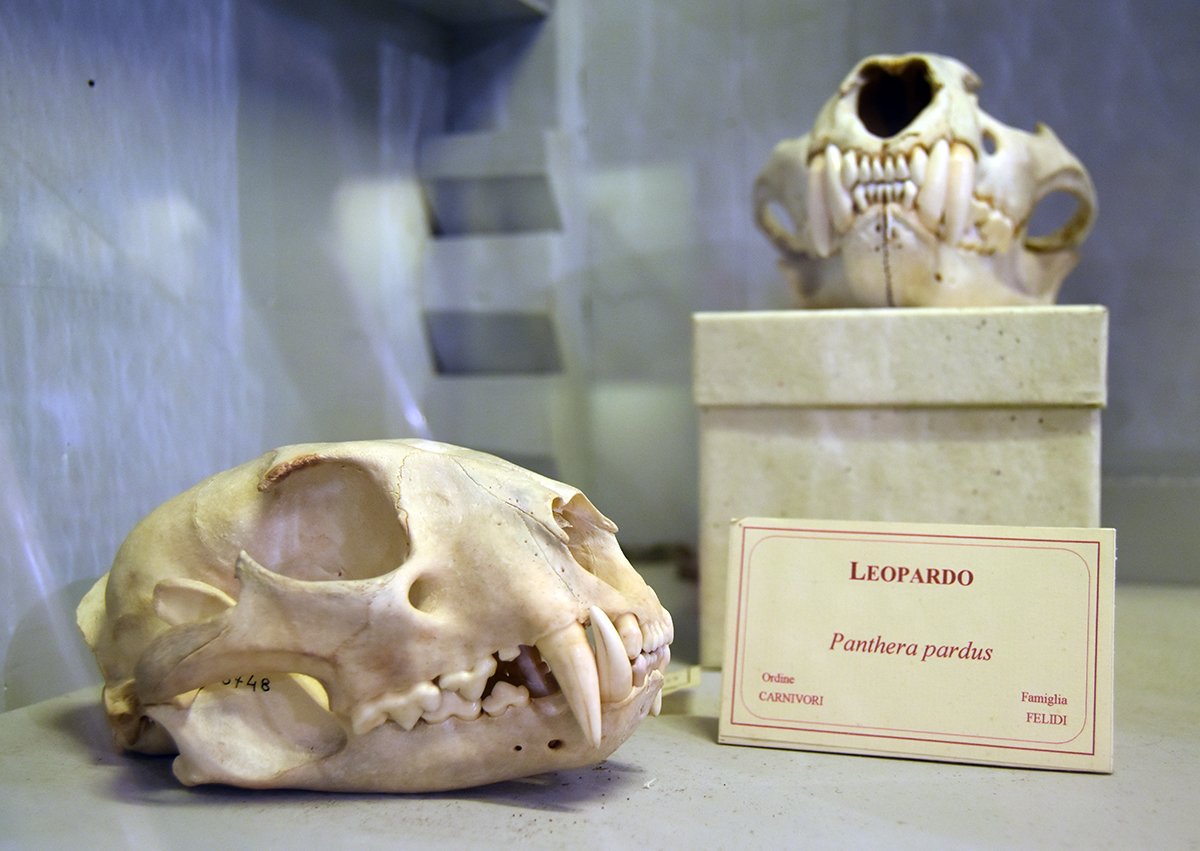
Animal skulls of a leopard and a smaller skull, displayed on a table with a label indicating the leopard's scientific name, Panthera pardus.
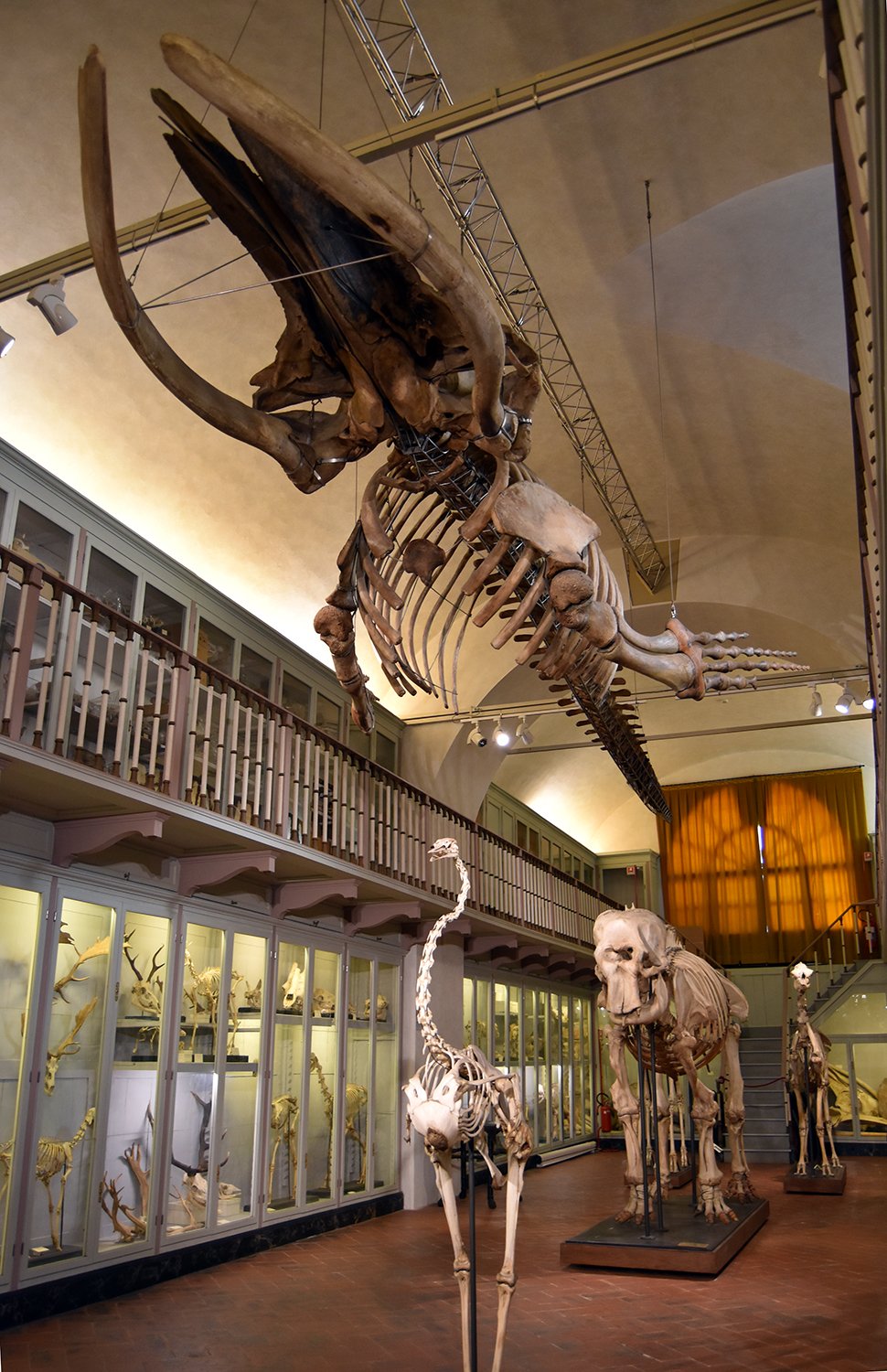
The Hall of Skeletons
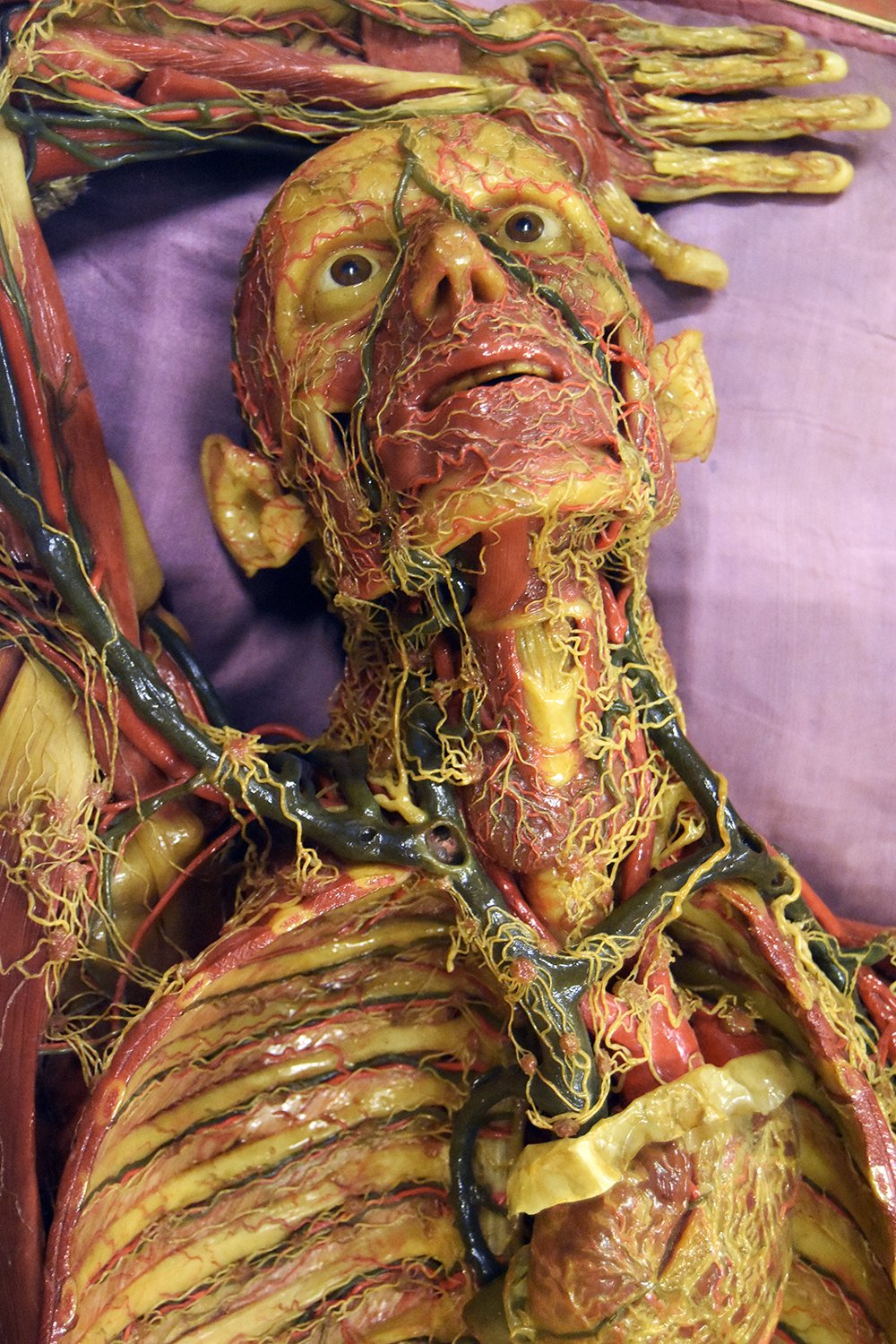
Detail of anatomical wax by Clemente Susini

Detail of anatomical wax "Lo Spellato" by Clemente Susini

"Venerina" anatomical wax by Clemente Susini

17th-century anatomical wax by Gaetano Giulio Zumbo (1656–1701)

Close-up of an anatomical wax model of a partially dissected prone human body, with a skull partly covered with muscle in the foreground, inside a glass case.

Anatomical wax model of a partially dissected human face and neck, behind glass.
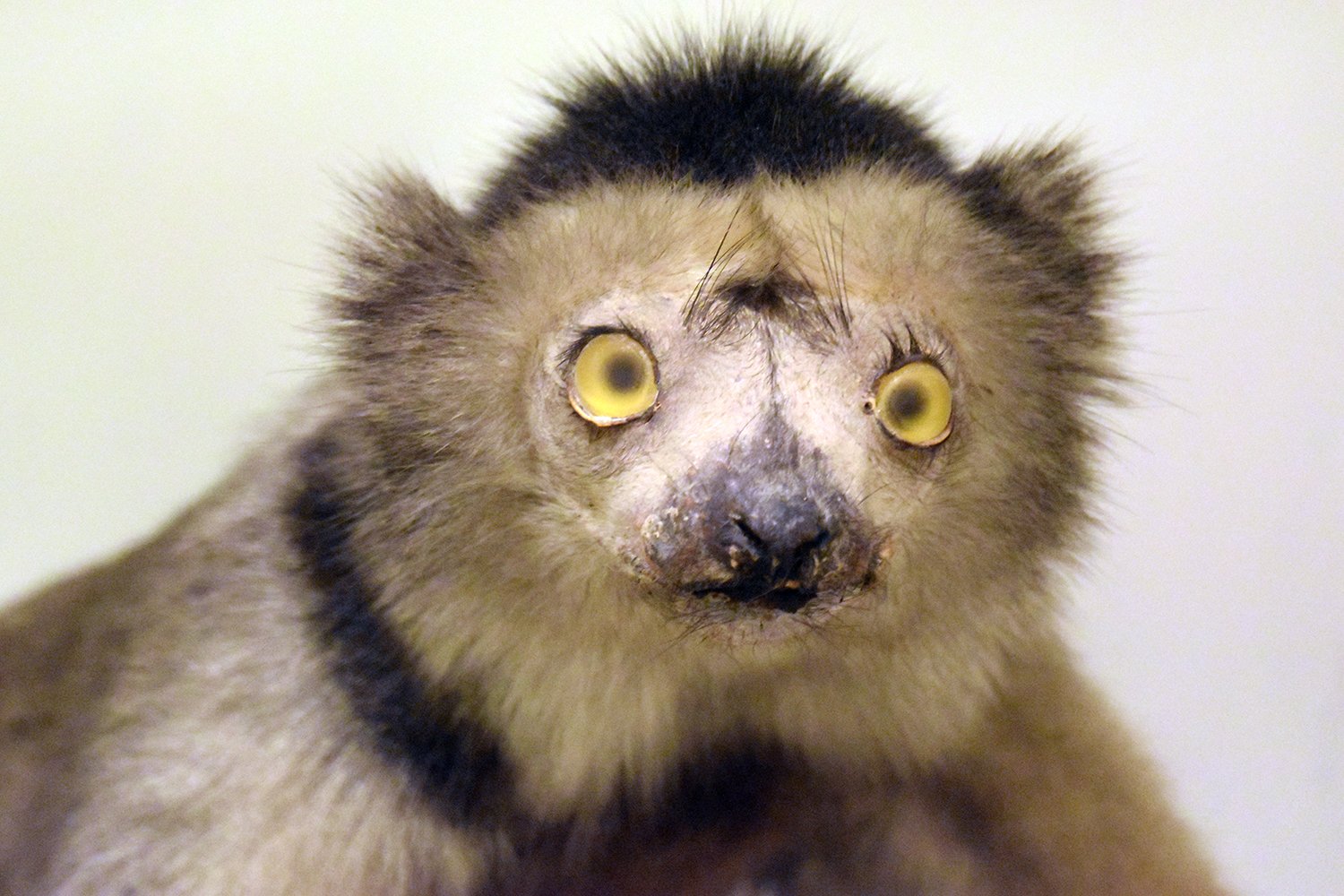
A stuffed animal resembling a lemur with large yellow eyes and a black nose.

Close-up of a lemur with yellow eyes, looking directly at the camera.
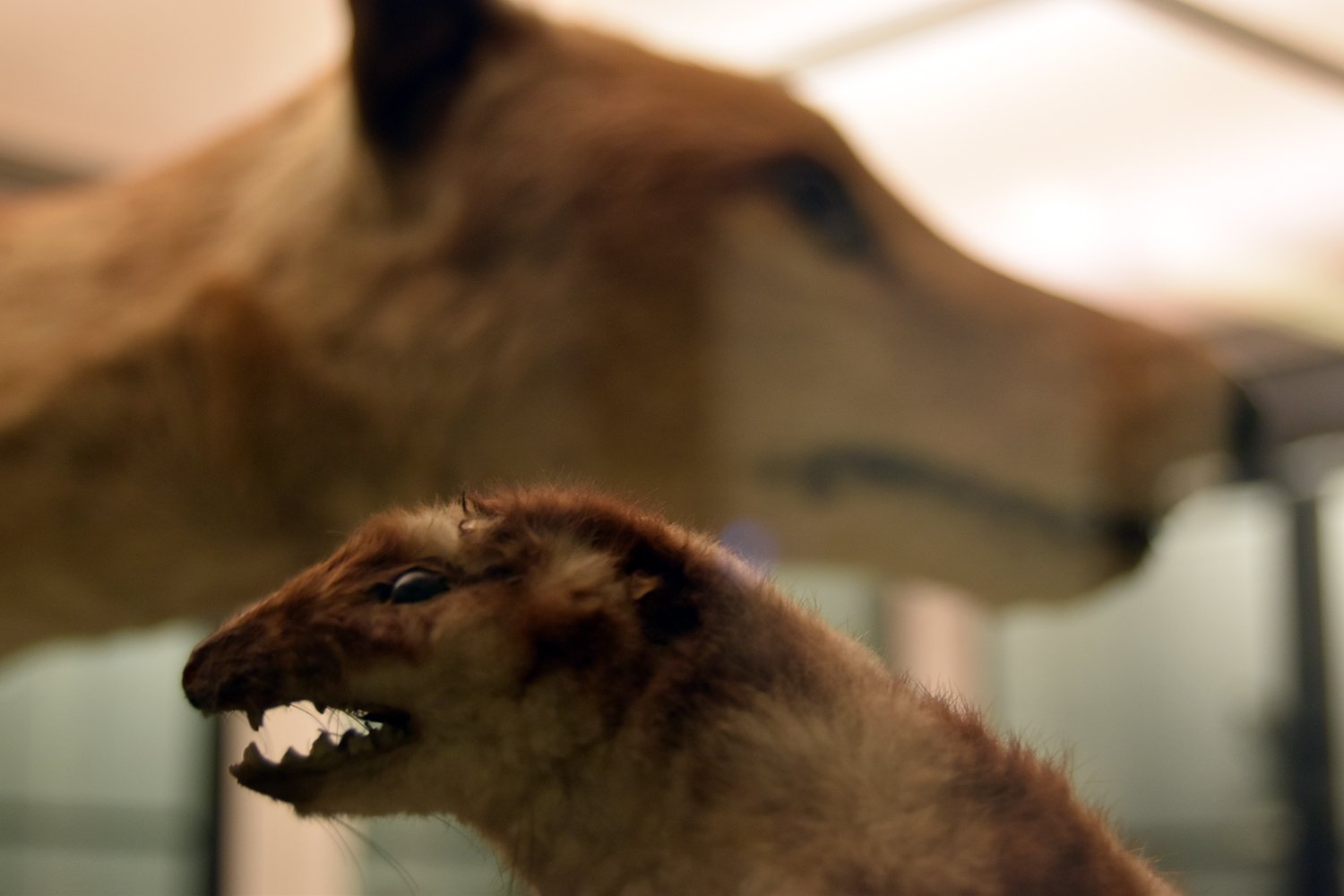
Close-up of a Tasmanian tiger with its mouth open, showing its teeth, with another visible blurred in the background.
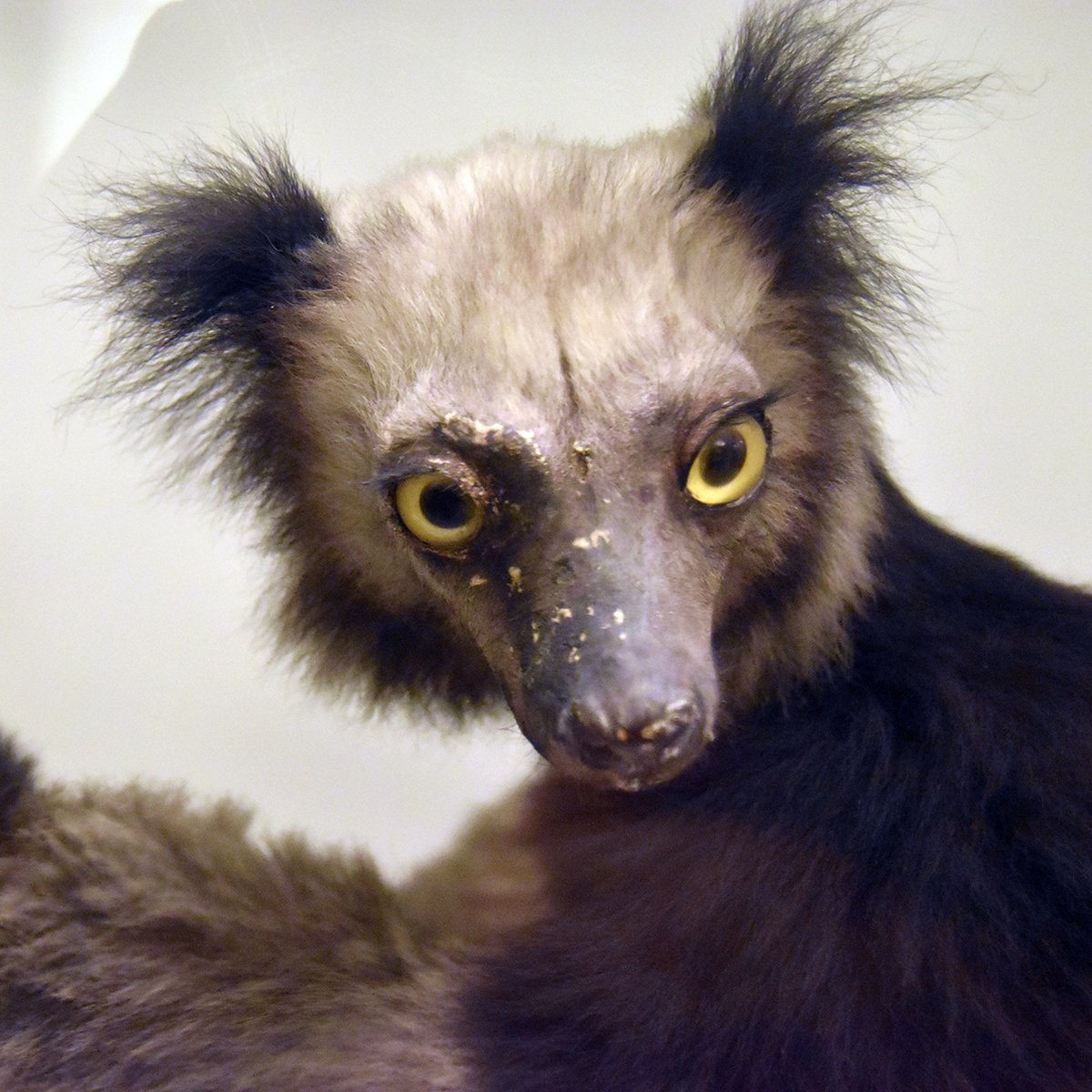
Close-up of a black and gray nocturnal mammal with large ears, yellow eyes, and a pointed face, appearing dirty.
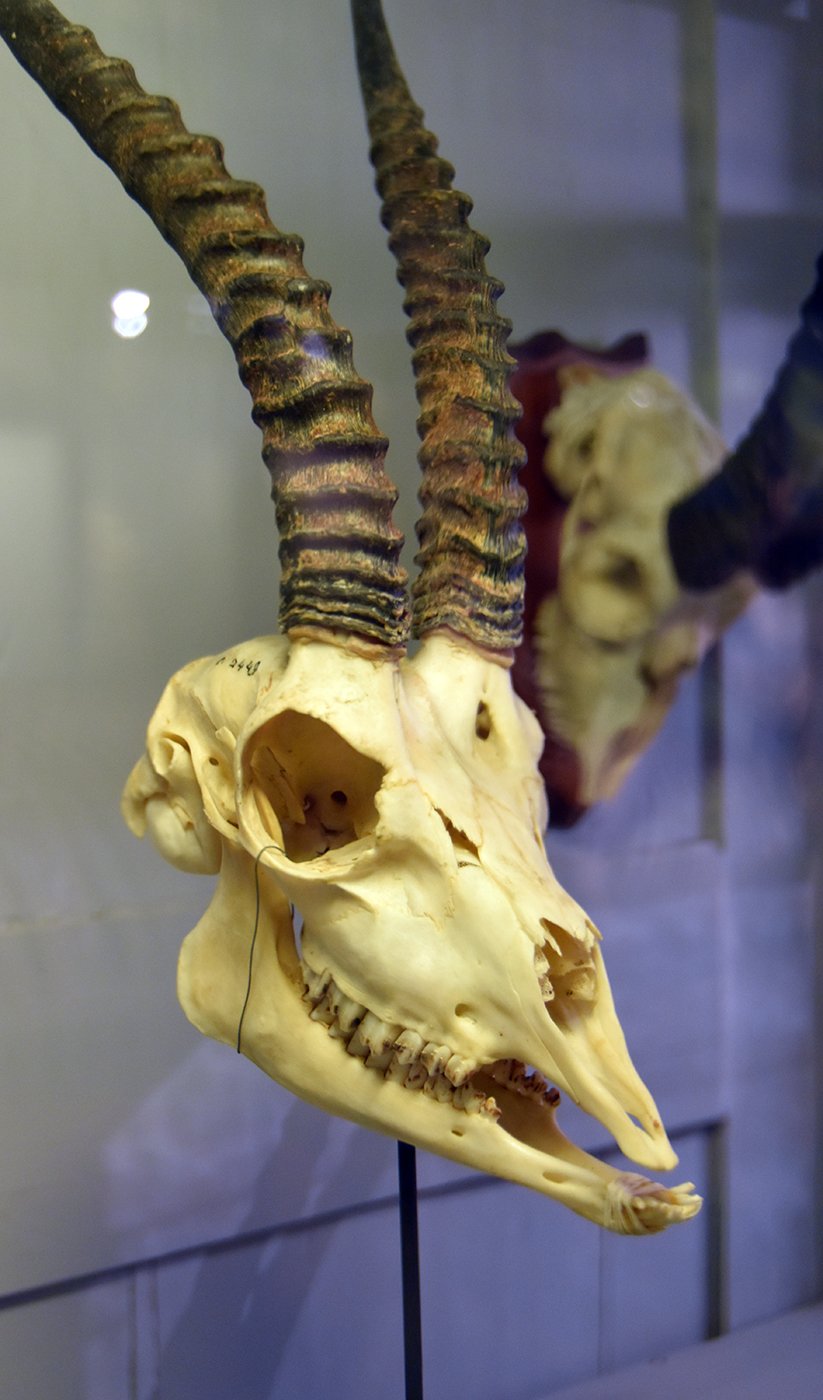
A animal skull with long, curved horns on display, likely from a mountain goat or ram.
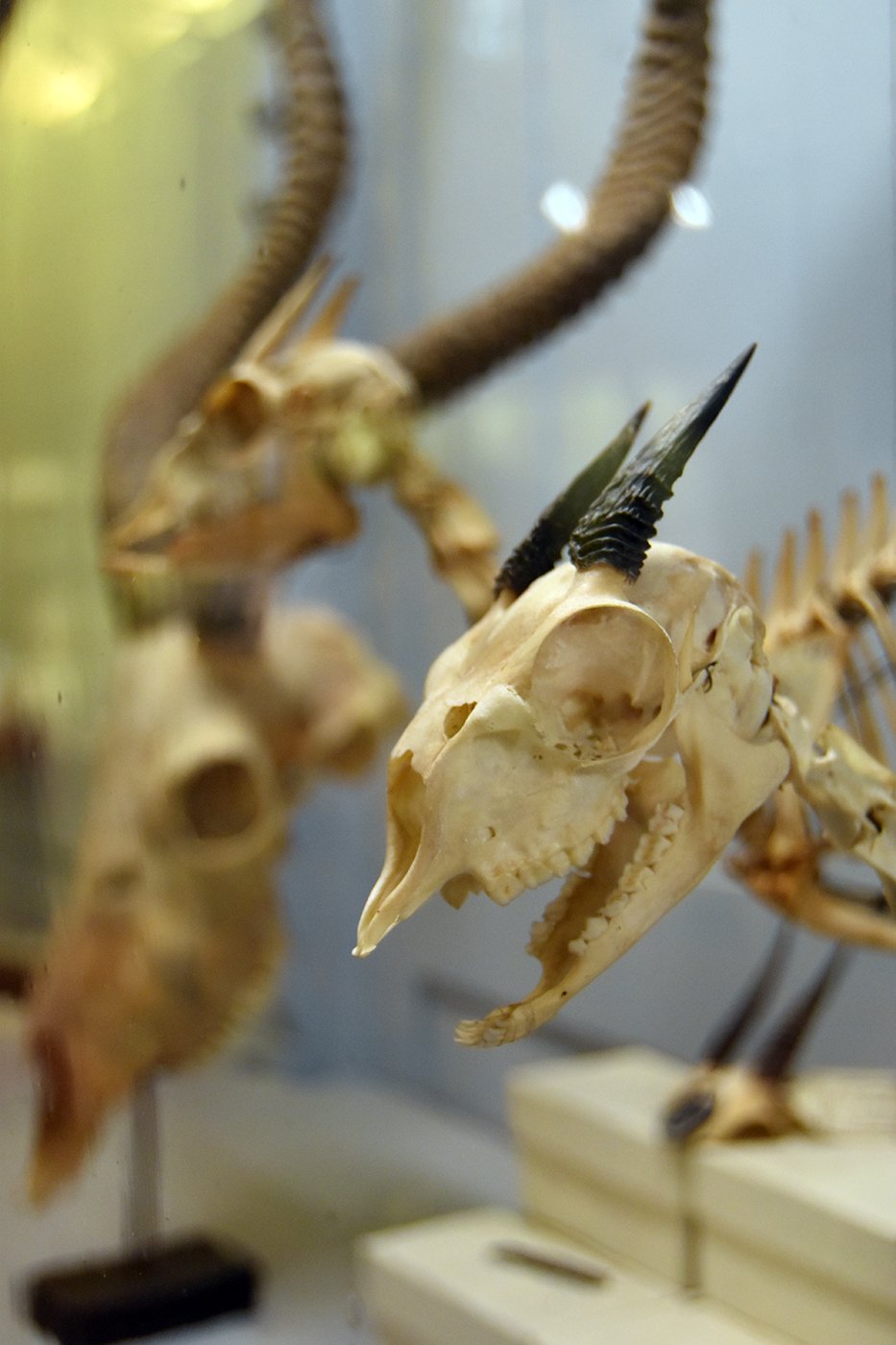
Close-up of an animal skull with black-tipped horns, displayed as a museum exhibit.

A preserved animal skull with two large horns mounted on a stand, displayed in a museum setting.

Museum exhibit displaying animal skulls and skeletons, including a large elephant skull in the foreground and a giraffe skeleton in the background.
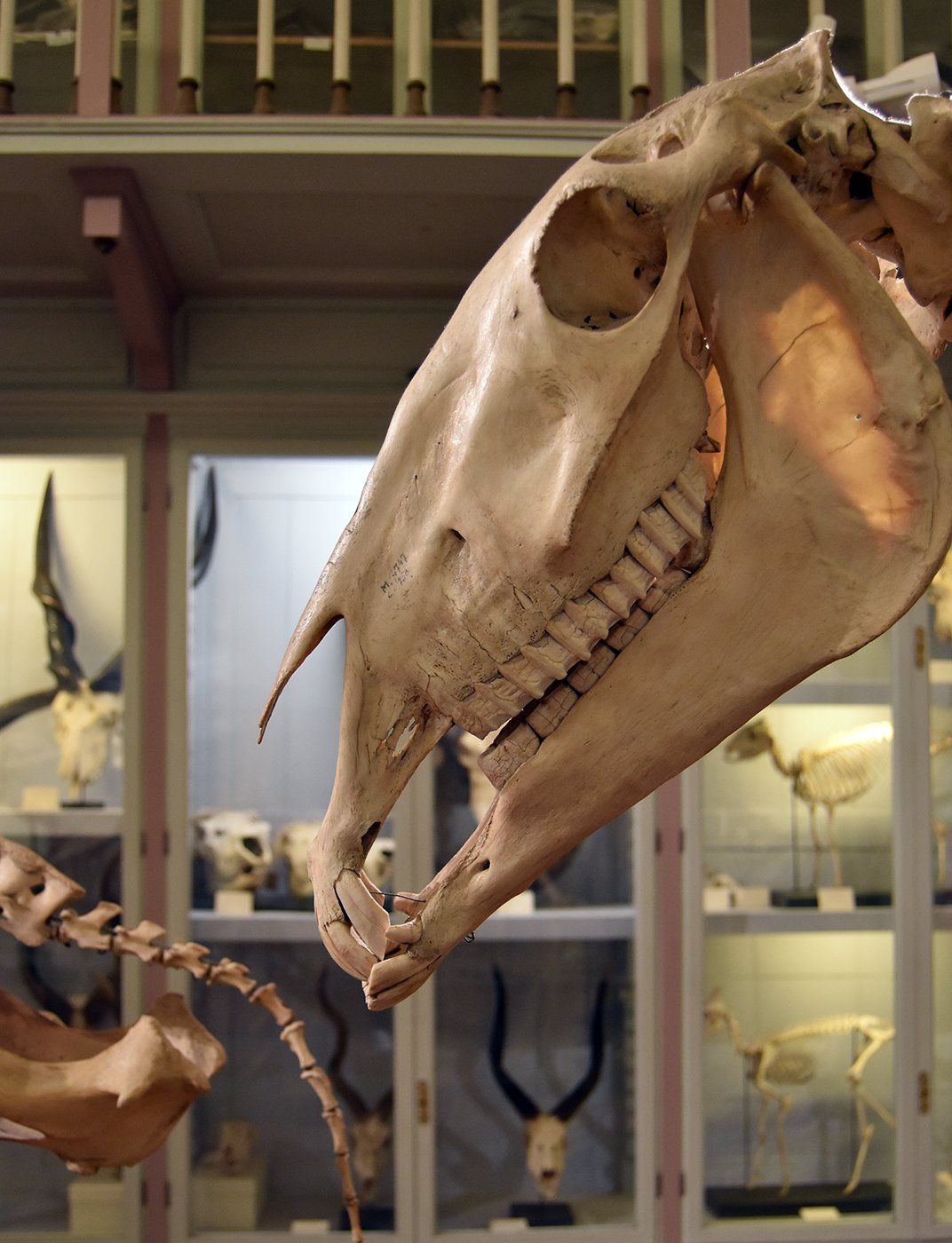
A close-up view of a large animal skull, possibly a horse, displayed in a museum exhibit with other animal skeletons in the background.

Close-up black and white photo of an animal skull with large fangs and sharp teeth.
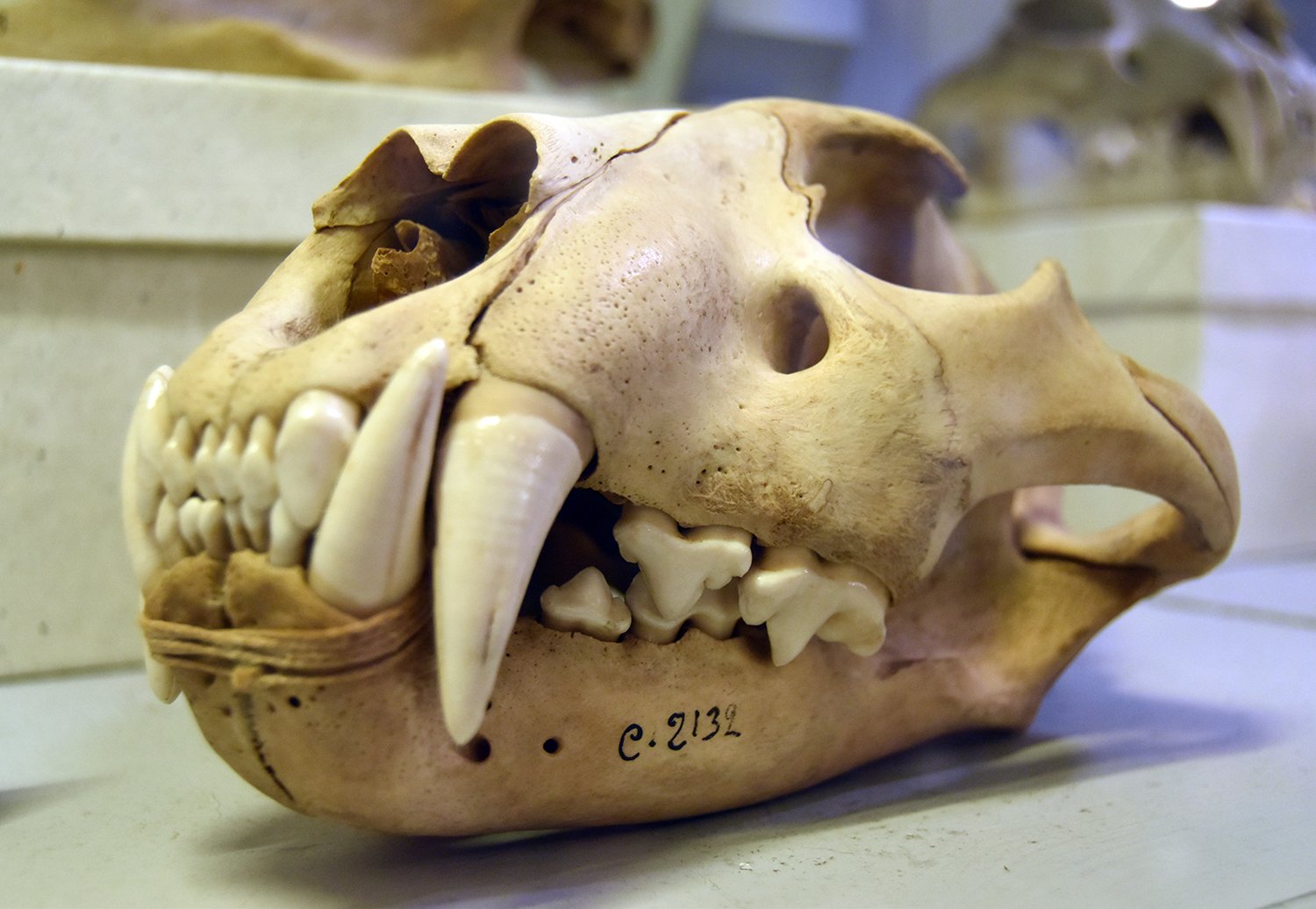
Animal skull with large fangs and teeth, possibly a large predatory feline, placed on a white surface.

Animal skull with teeth displayed beside a sign that reads 'TAYRA Eira barbara Ordine CARNIVORI'.

A snake coiled inside a glass jar filled with a yellowish liquid.
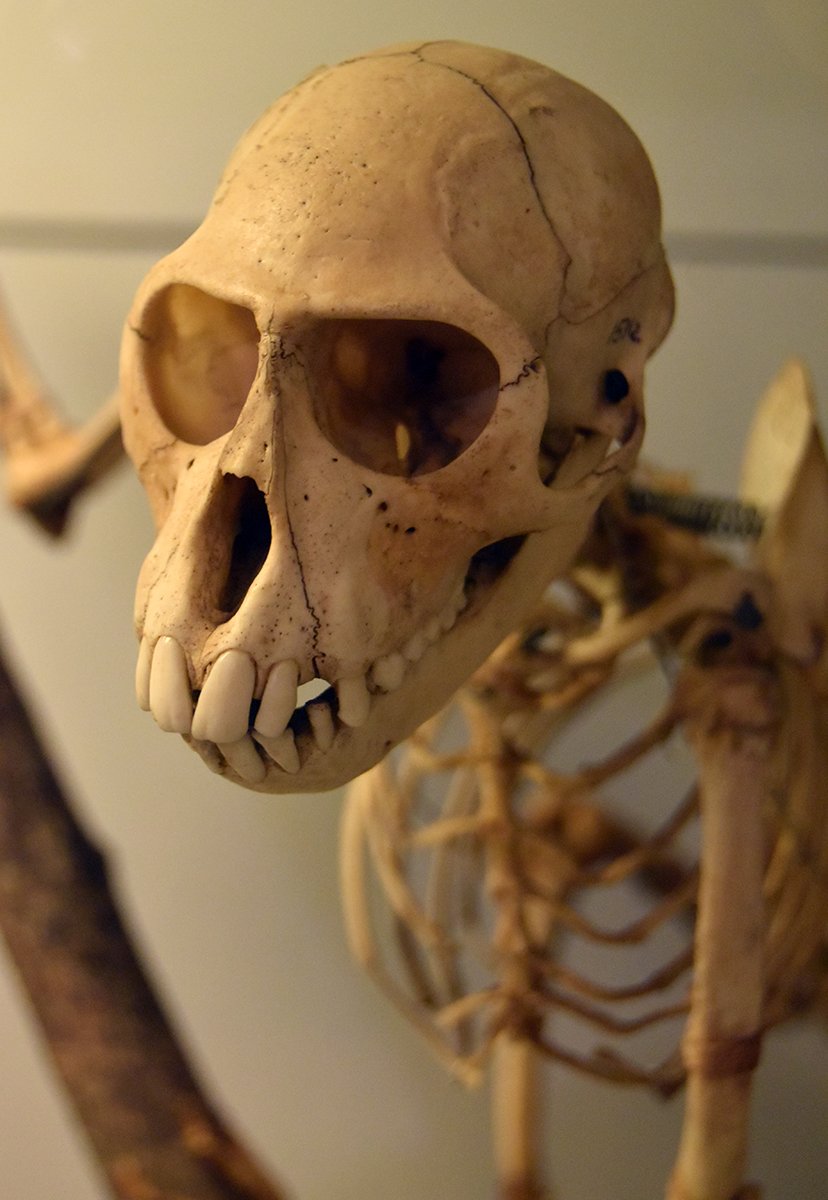
Skeleton of a primate skull and upper body with missing flesh and skin, displaying bones and skull structure.

Close-up of a mounted animal skull, likely a deer, with antlers in a museum exhibit setting.

Close-up of animal skulls on display in a museum, with other skeletons visible in the background.

A close-up photograph of an animal skull with prominent horns, possibly from a goat, mounted on a display. The skull shows details of the jaw and eye sockets against a blurred background.

A mounted animal skull with large, curved horns, likely a type of antelope or similar species, displayed in a museum or exhibit setting.

Black and white photo of an animal skull with long nose and horns, displayed in a museum setting.

Close-up of a an animal jaw showing teeth, with handwritten notes and date 1865.
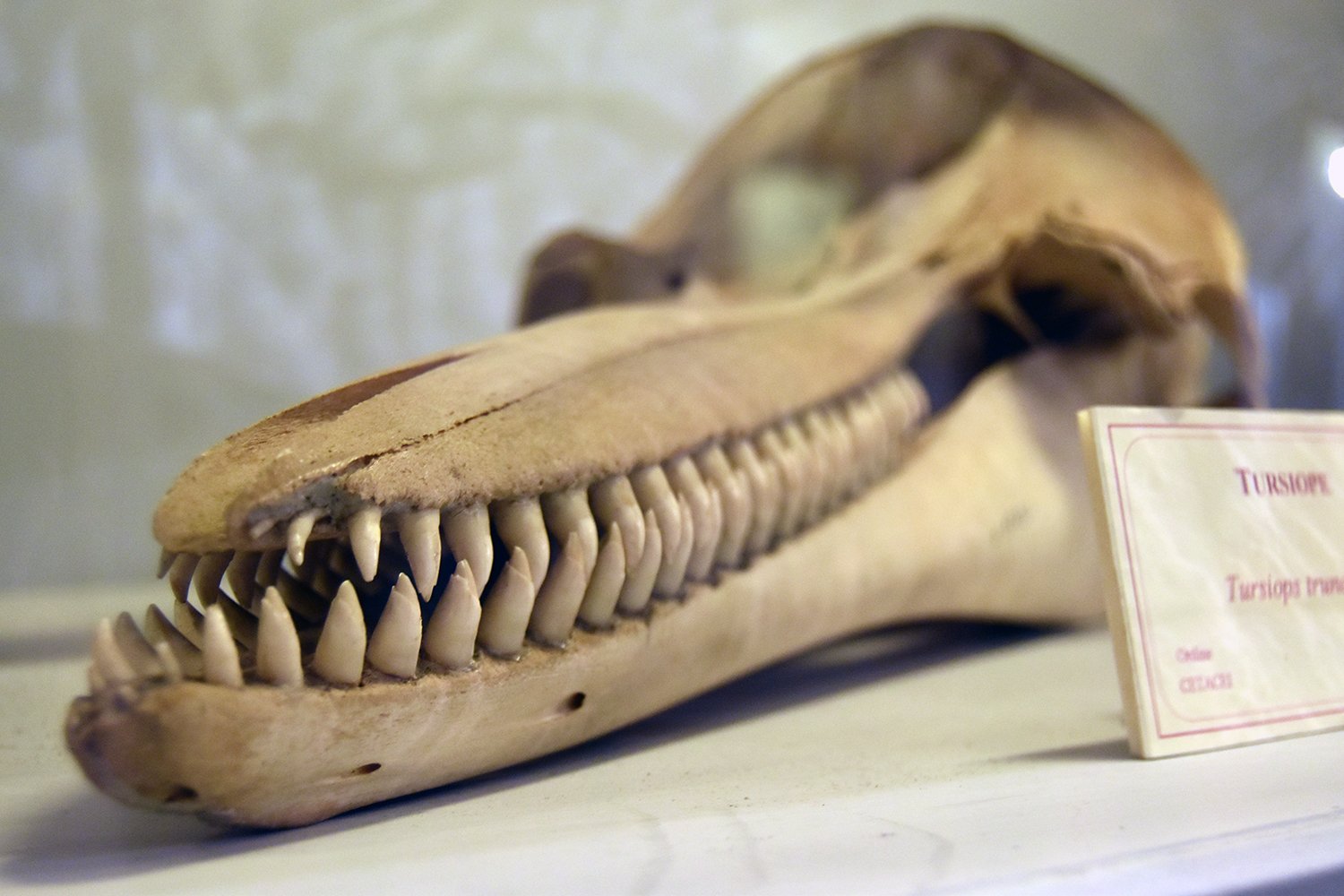
Skull of a porpoise, displayed in a museum with a label nearby.
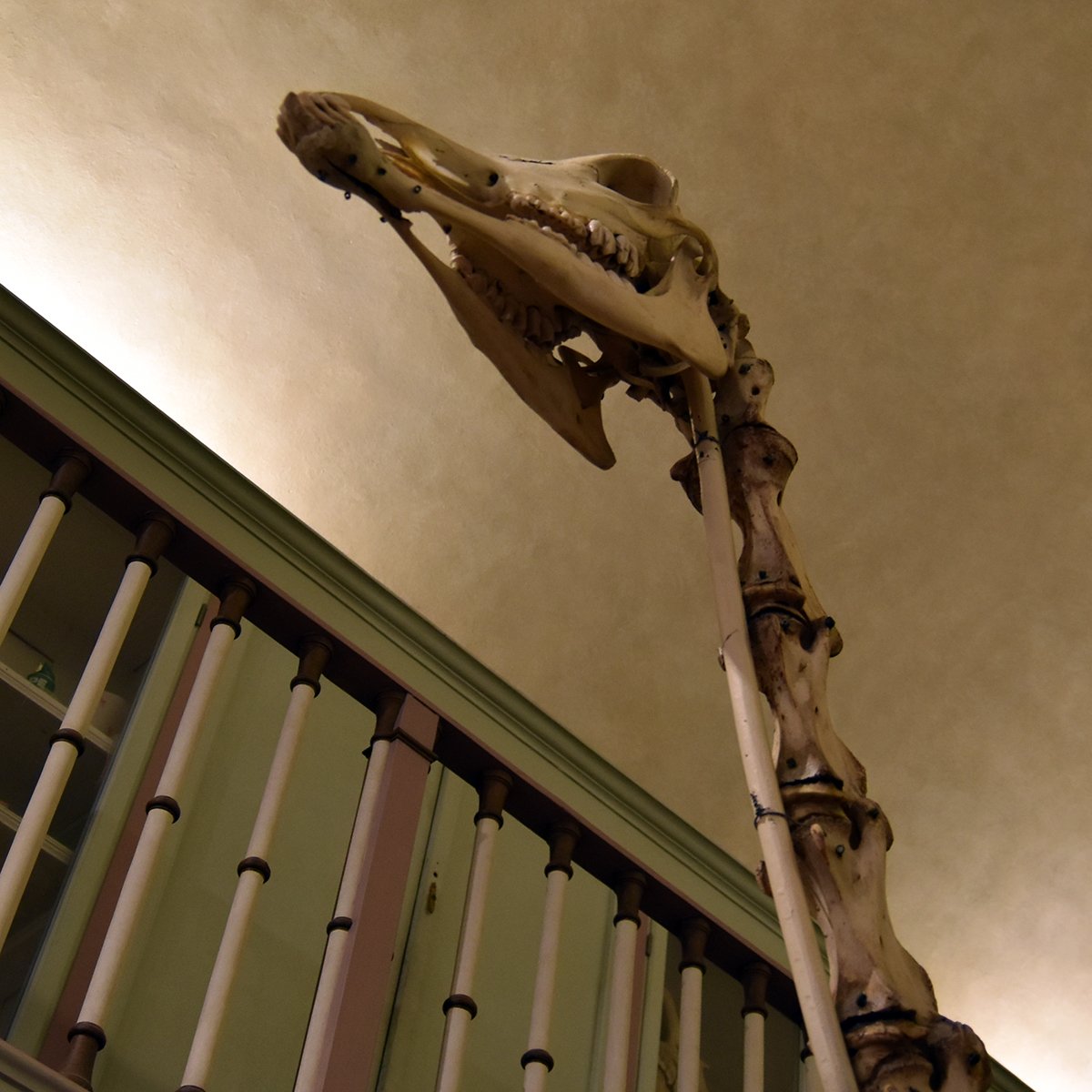
Griffe skull and neck mounted on a stand near a balcony railing.
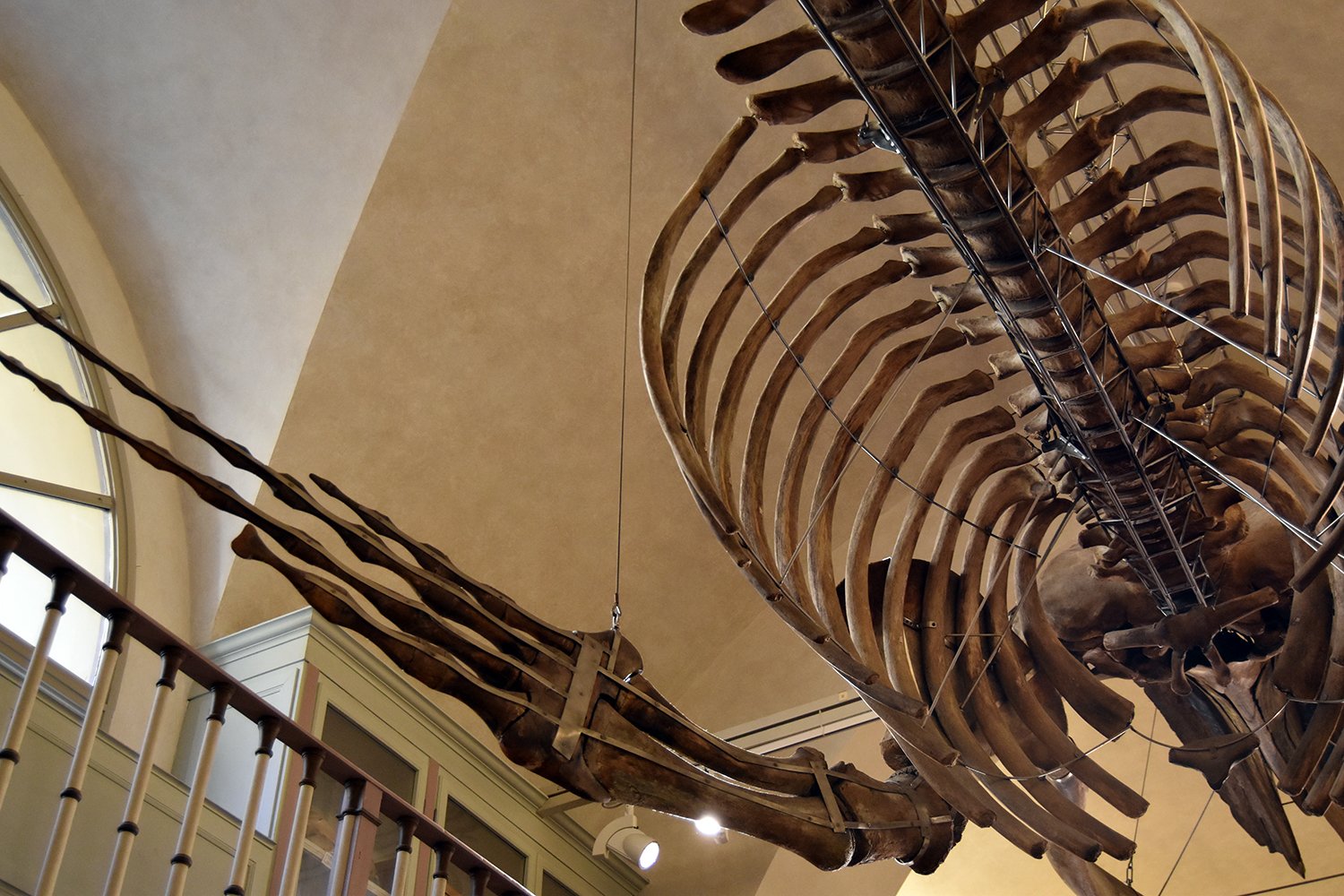
A large whale skeleton hanging from the ceiling of a museum exhibit.

Skeletons of an elephant other animals displayed in a museum exhibit with a large arched window in the background.
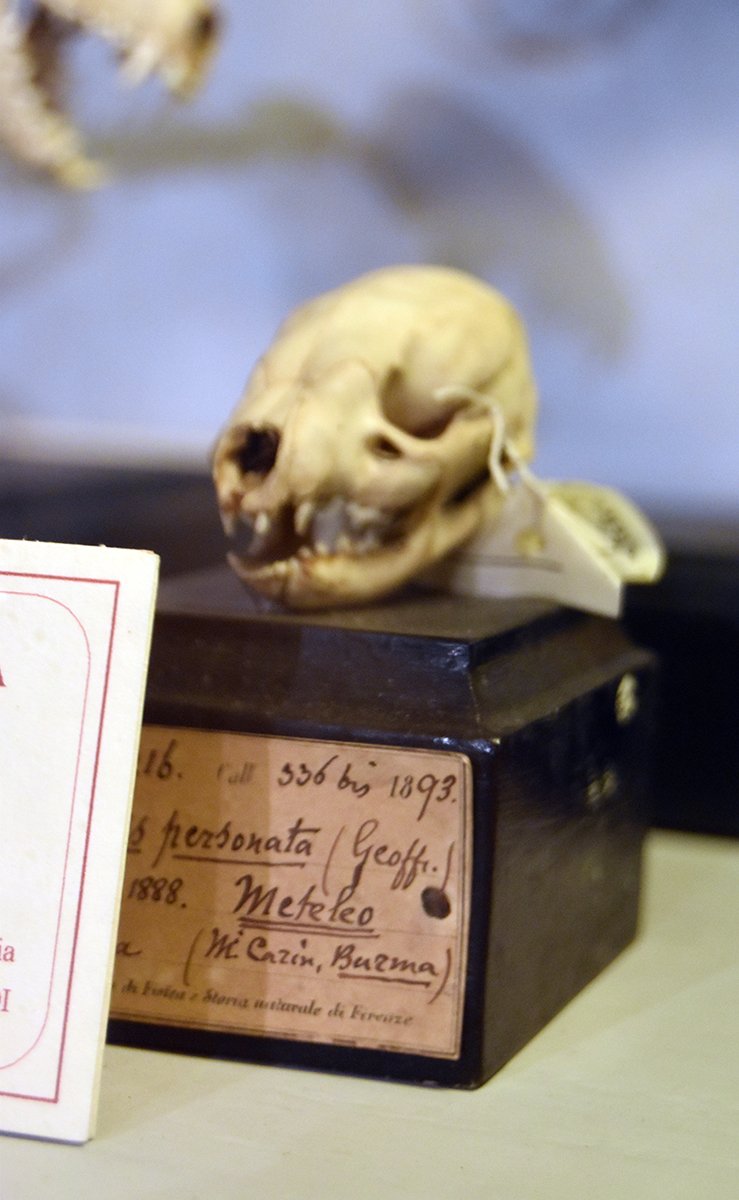
A small animal skull, likely a small mammal, displayed on a black stand with a label indicating it is from a specimen collected in 1893, related to Georgi Meteleo from Bucaramanga, Colombia.

Close-up of an animal skull skull with large teeth and claws.
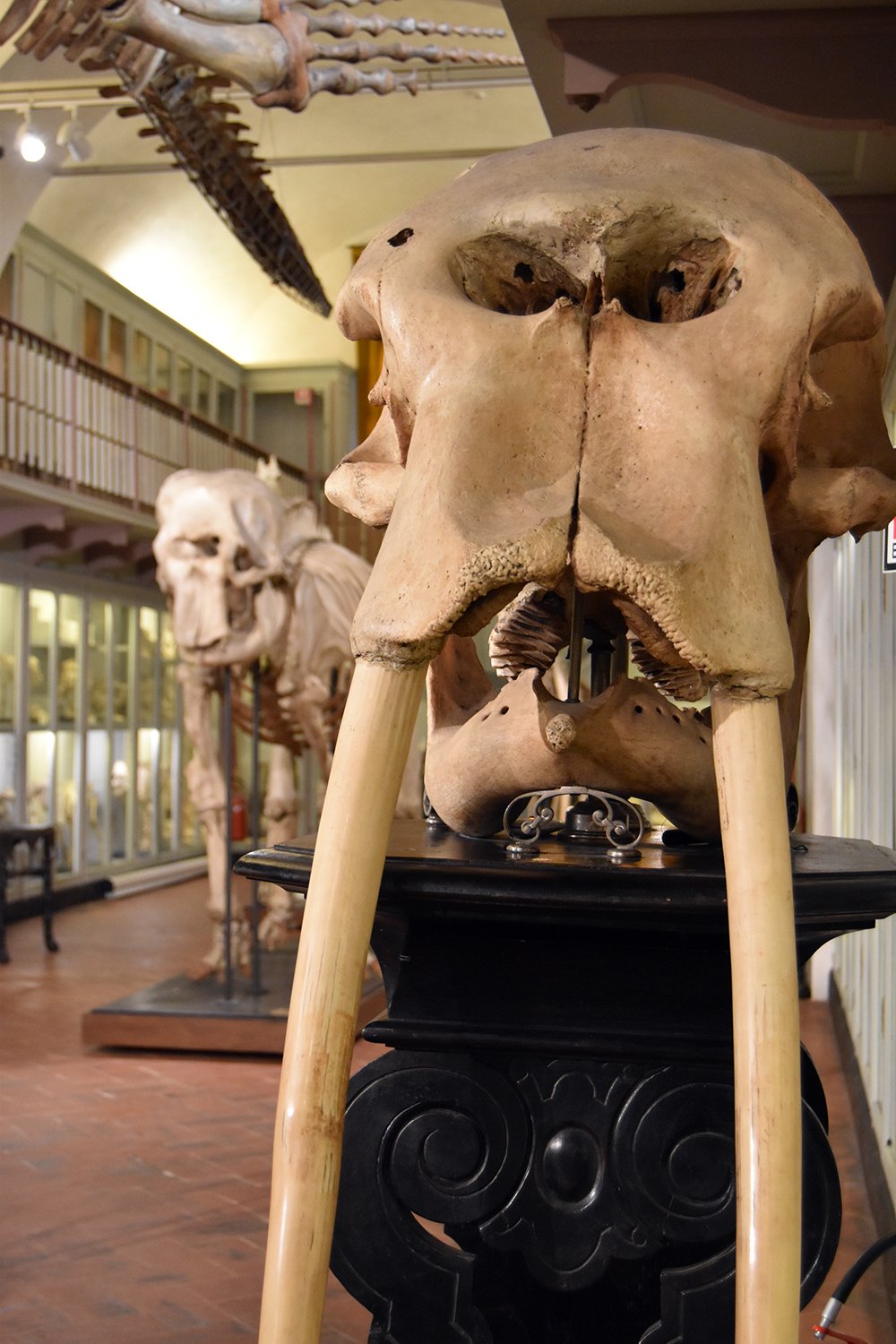
A large elephant skull, displayed on a stand with long tusks and nasal cavity intact, in a museum setting with other animal skeletons in the background.